ethic sprint
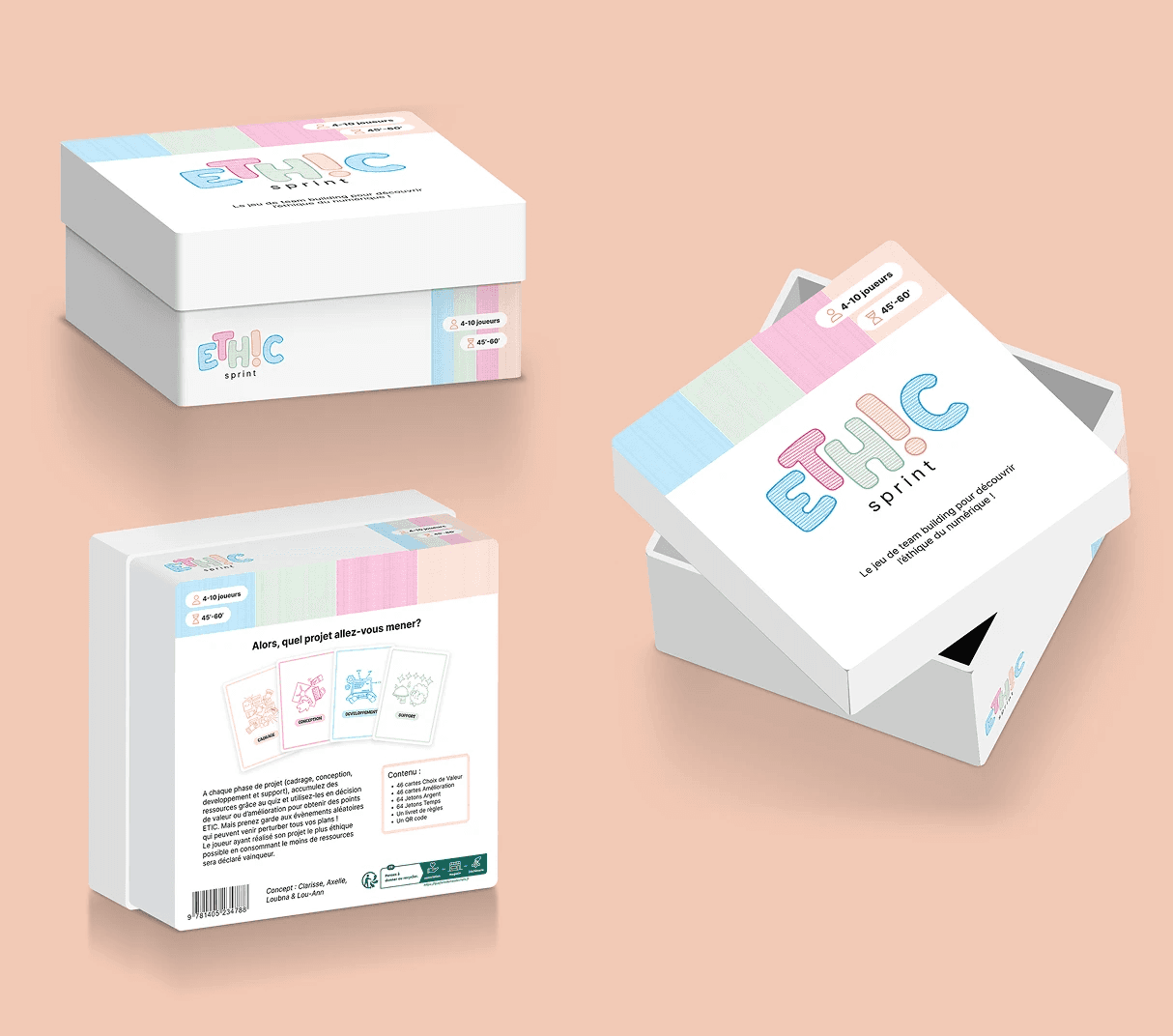
Interactive serious game designed to raise UX designers’ awareness of digital ethics through a playful and collaborative approach.
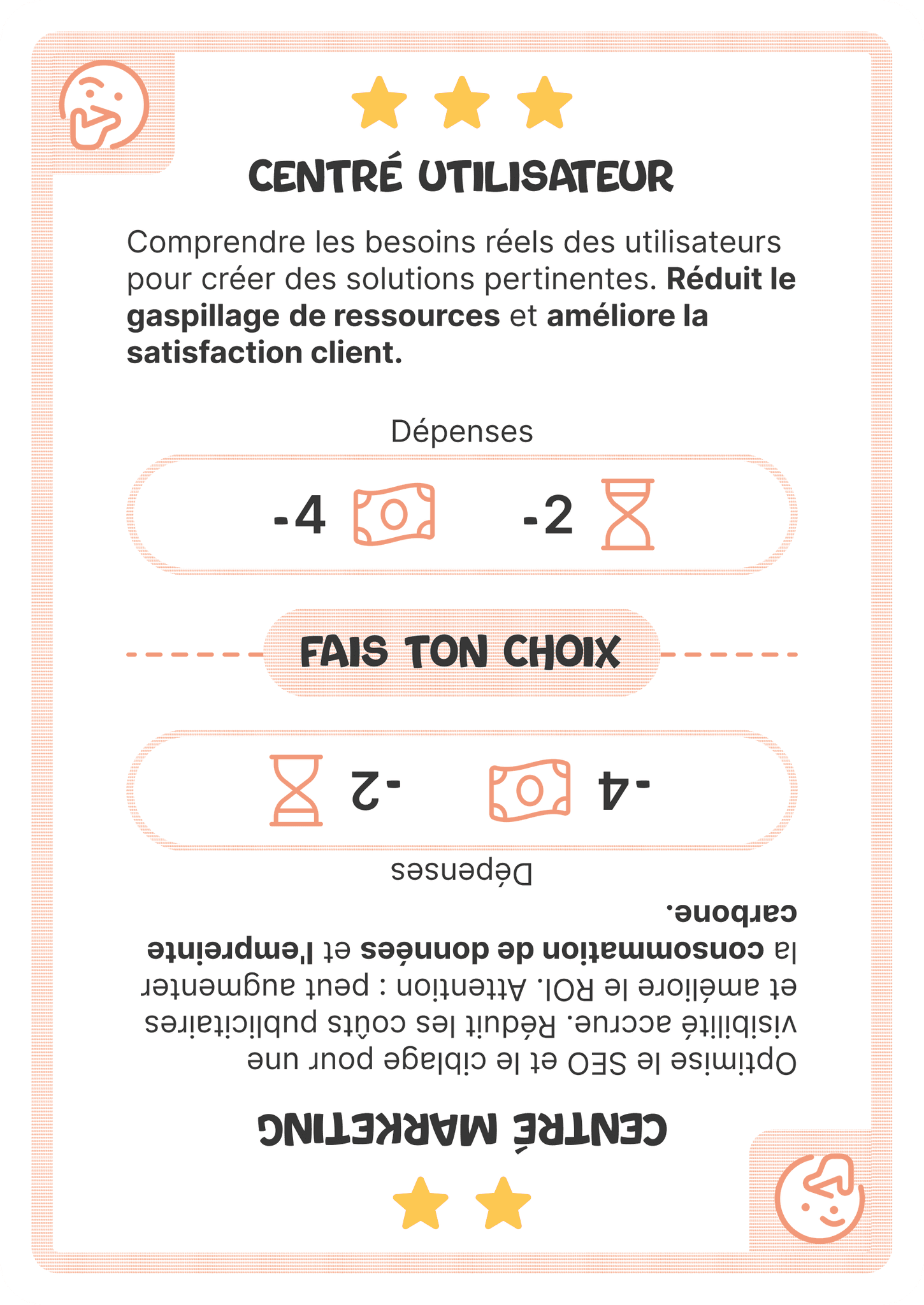
An interactive serious game designed to raise UX designers’ awareness of digital ethics through a playful and collaborative approach. It’s an interactive awareness-raising game aimed at UX designers.
Our goal was to bridge the gap between the ethical challenges of digital design and the current knowledge of UX designers.
date
January – July 2024 (6 months)
tools
Figma - Excel - Photoshop - Miro - Trello - Figjam
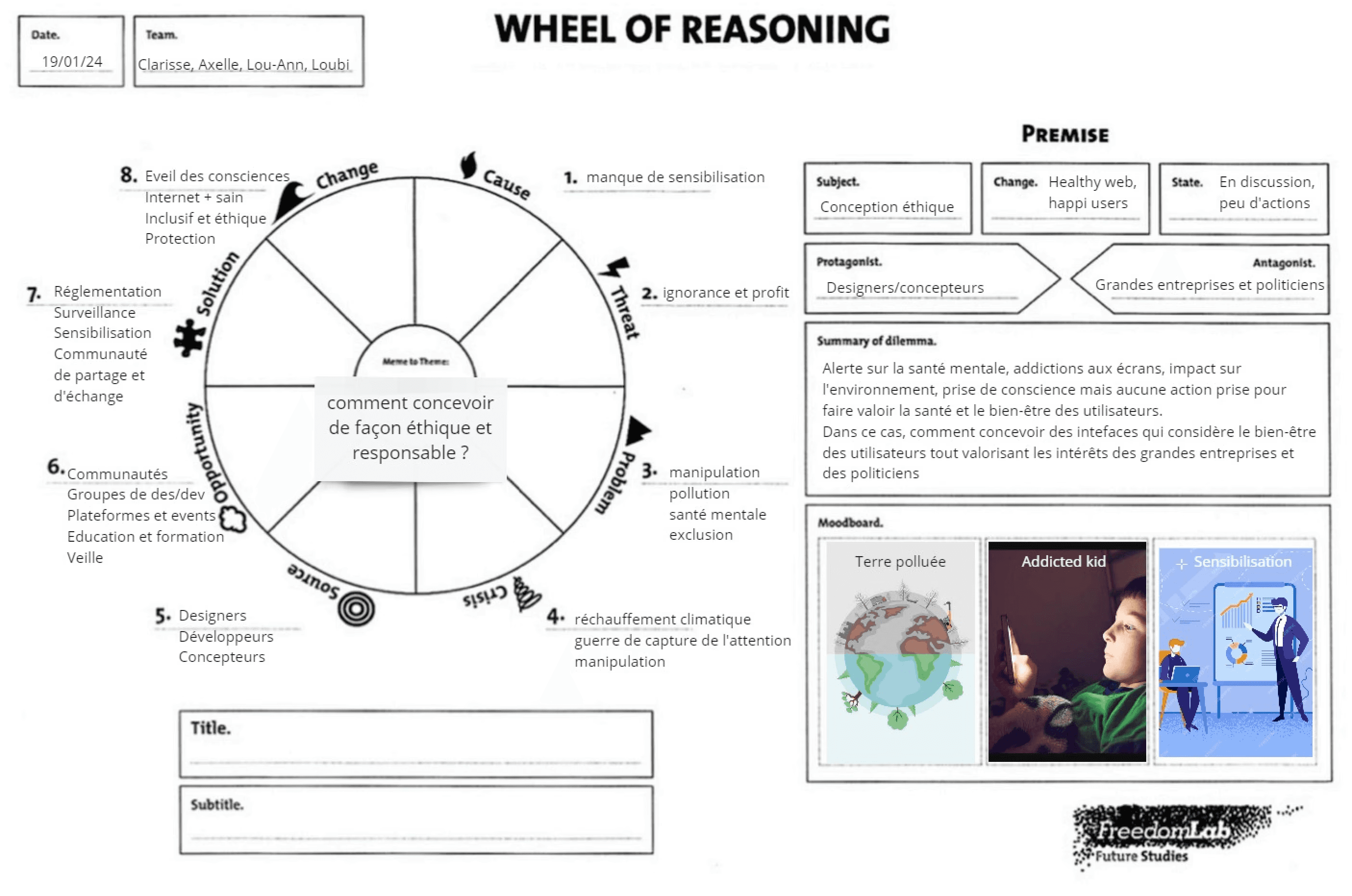
❌ There is a significant gap between ethical digital design principles and UX designers’ understanding of them.
❌ Existing training programs are often theoretical and unengaging, making it difficult to integrate ethical best practices into real-world projects.
❌ Designers face time constraints, limited resources, and economic pressures that prevent them from adopting more responsible practices.
🎯 Provide an immersive and educational experience to help UX designers better understand the challenges of digital ethics.
🎯 Encourage collaboration and discussion around the ethical dilemmas encountered in digital design.
🎯 Offer a flexible and scalable learning tool suitable for professionals at various levels.
User Research & Insights
👉 Interview duration: About 45 minutes
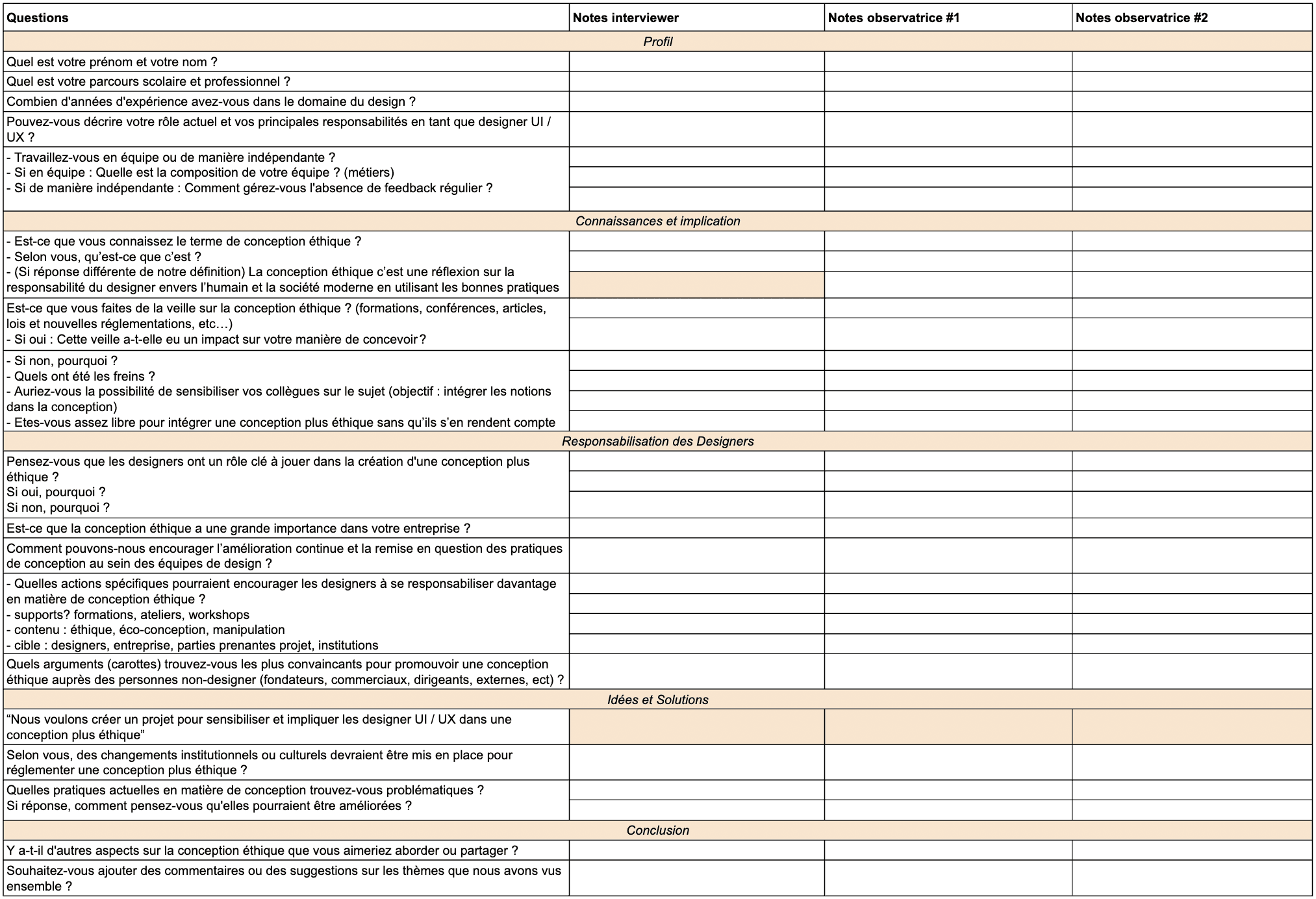
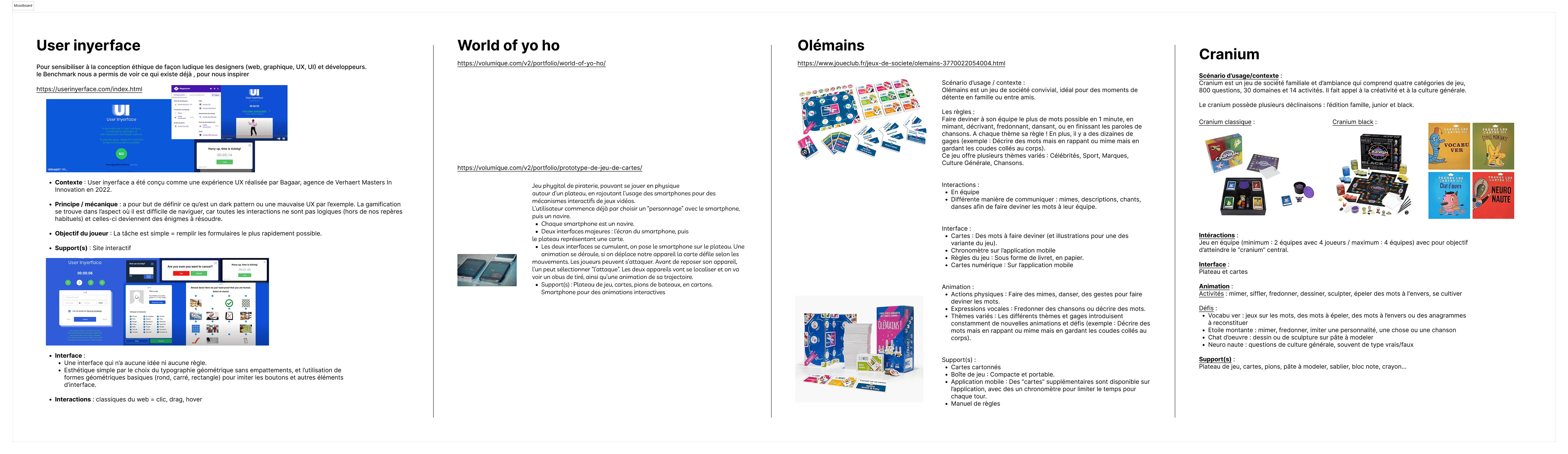
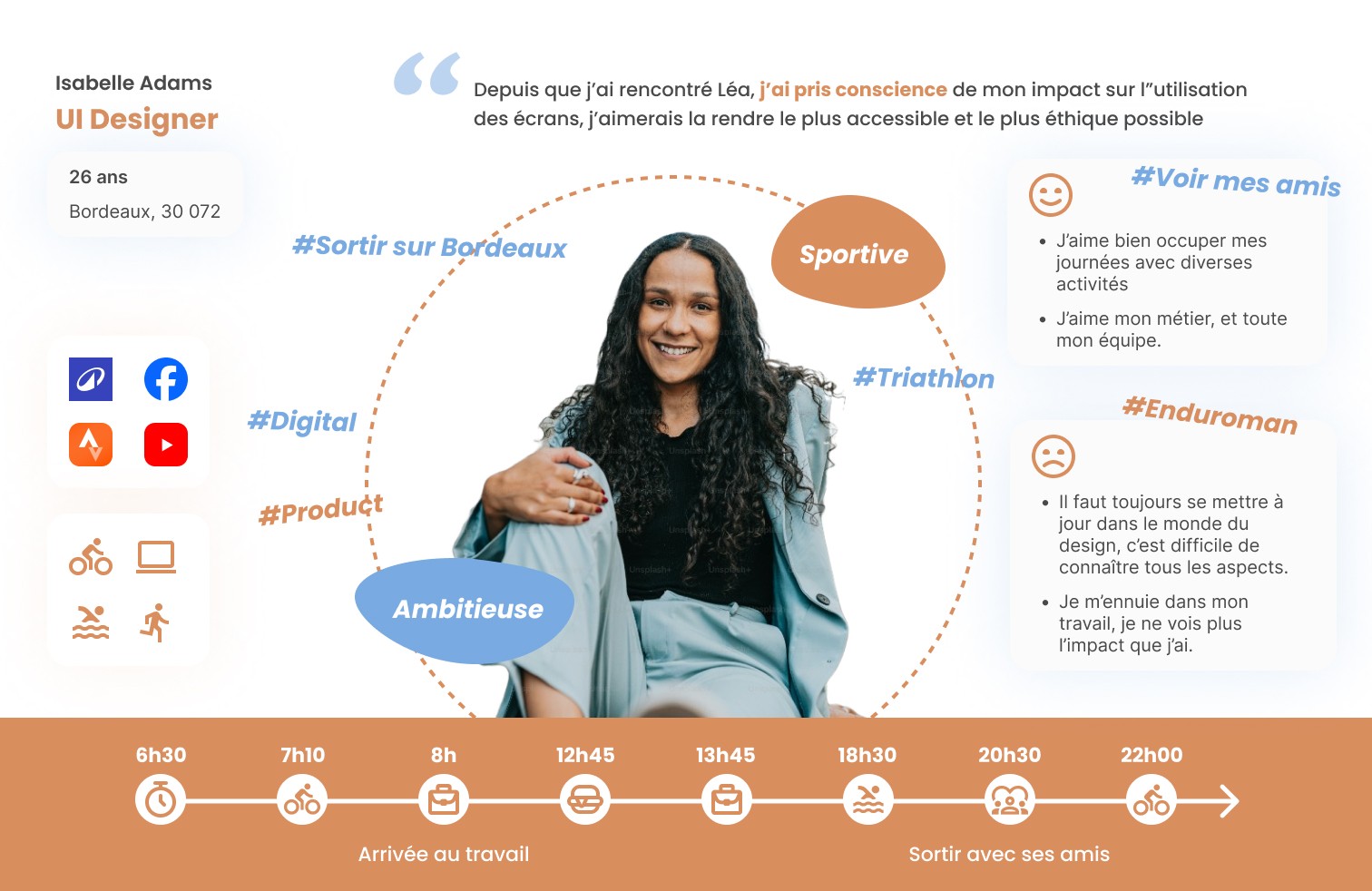
Workshop 1: Identifying the problem and initial challenge
Workshop 2: Exploring solutions
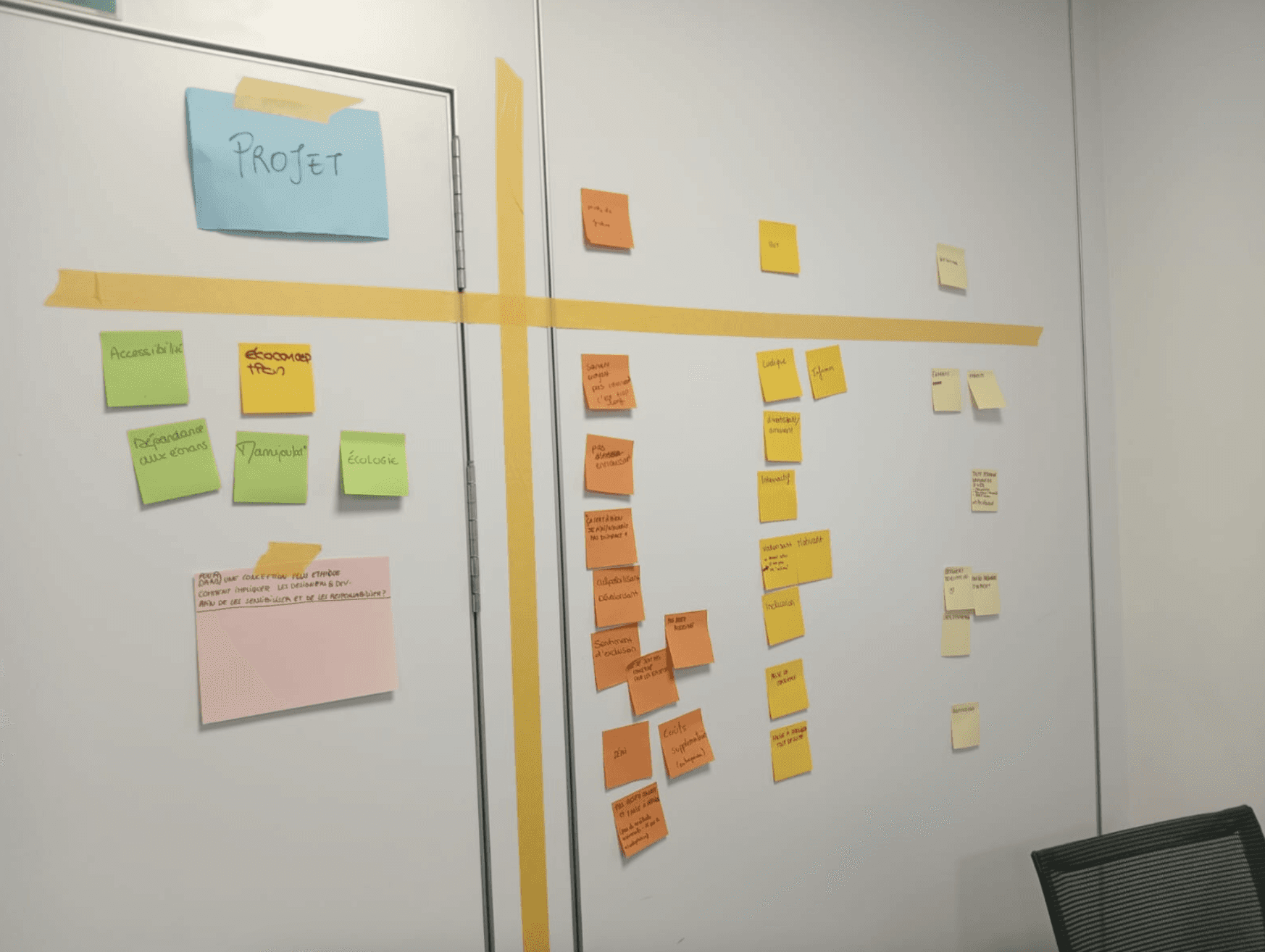
Workshop 3: Analyzing obstacles and finalizing the challenge
👉 Ethic Sprint introduces the principles of ethical design in a playful and interactive way, making learning more engaging and tangible.
👉 The game helps designers develop critical thinking about the impact of their choices and become aware of ethical issues.
Game Mechanics
Objective of the game:
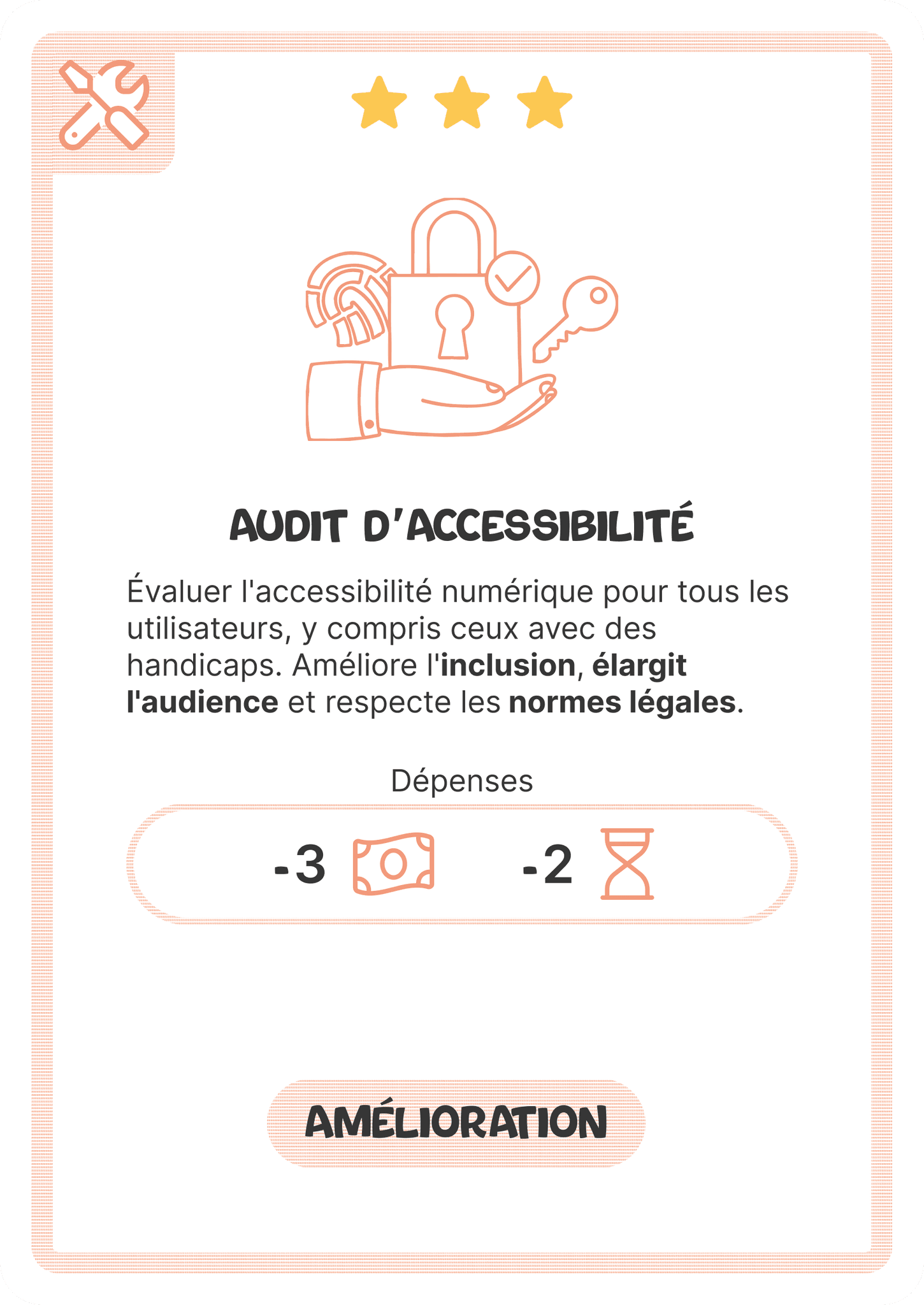
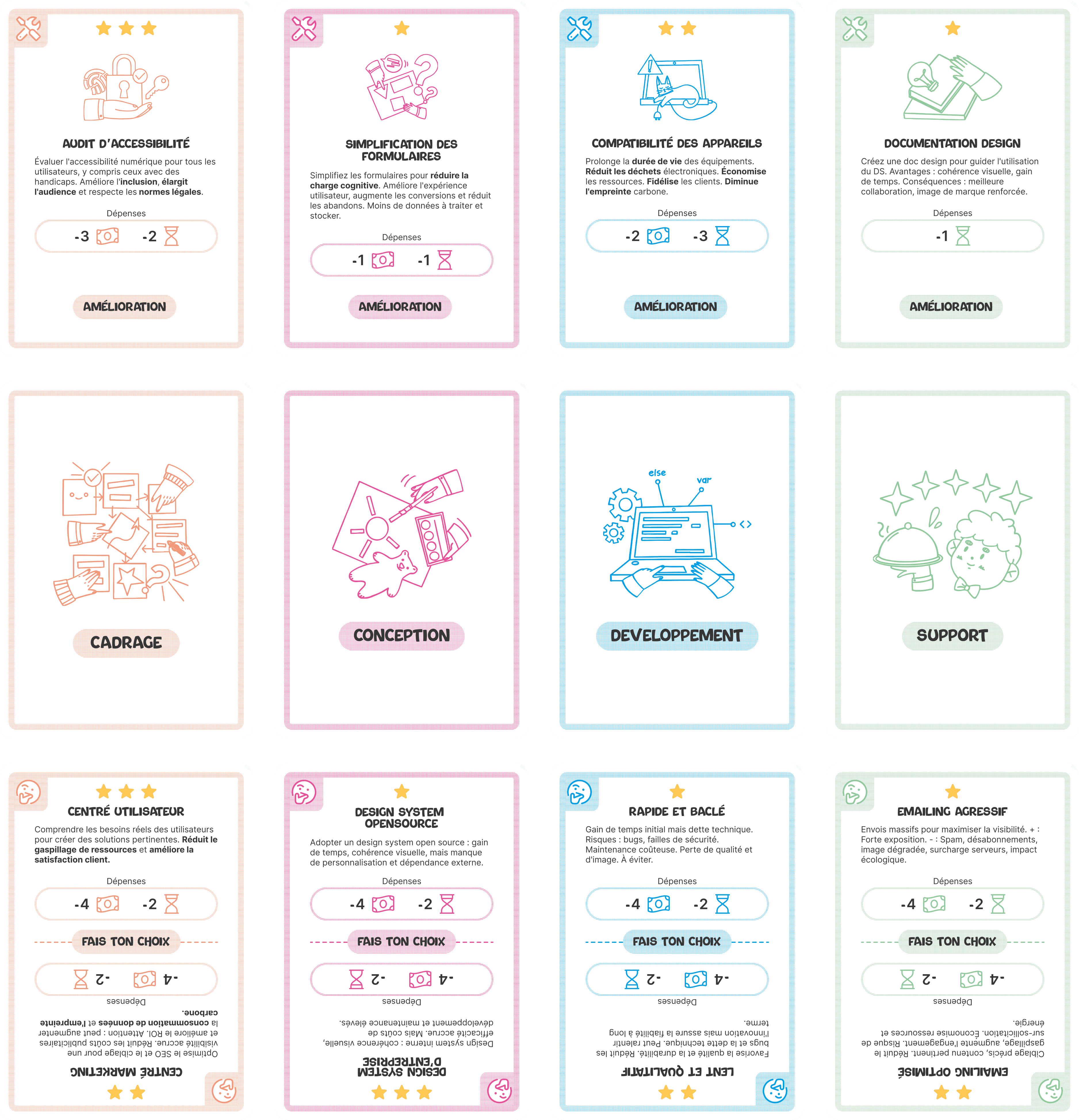
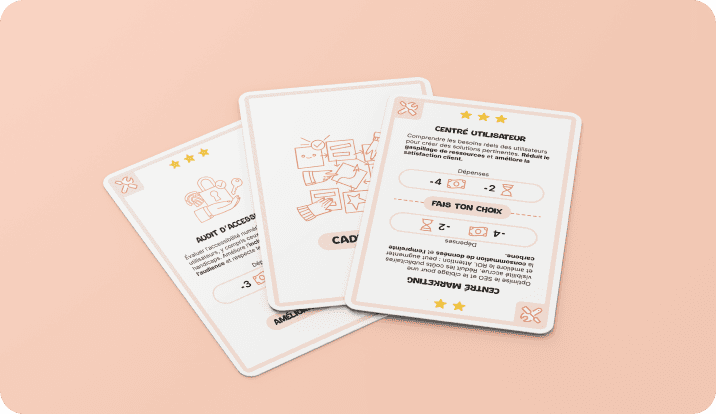
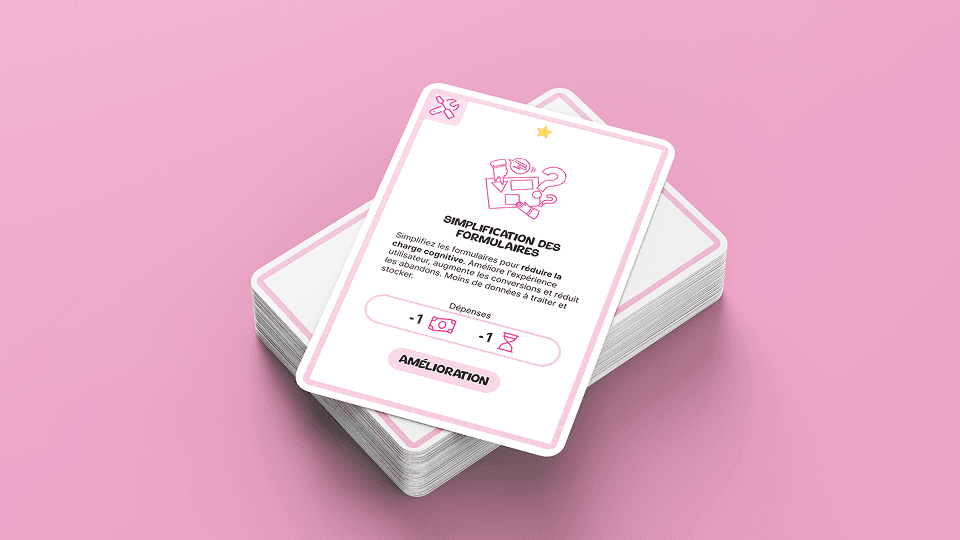
Players must manage their resources (time and money) to earn the maximum ethical points through various stages of a digital project using the "Improvement" or "Value Choice" cards.
Game Flow:
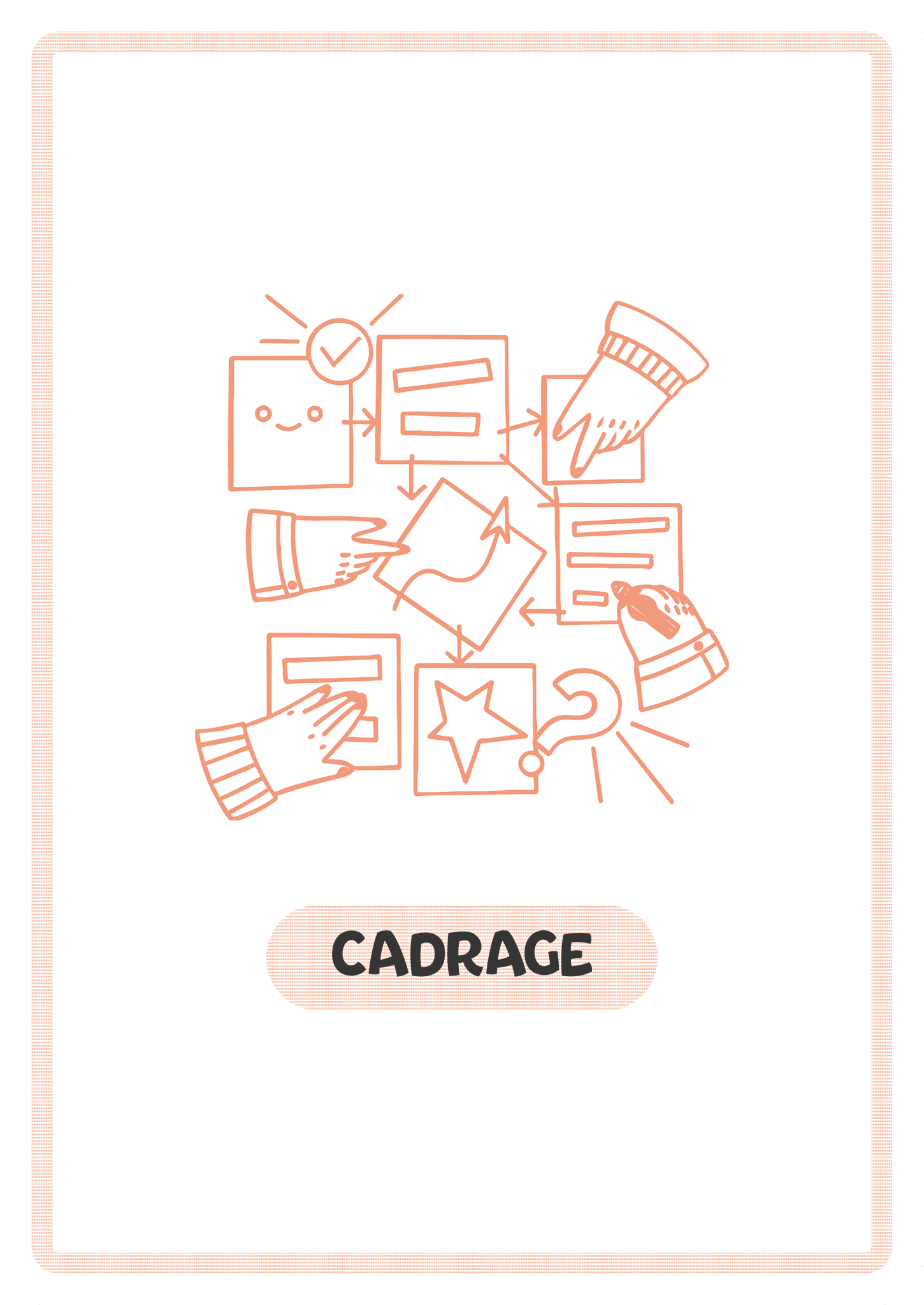
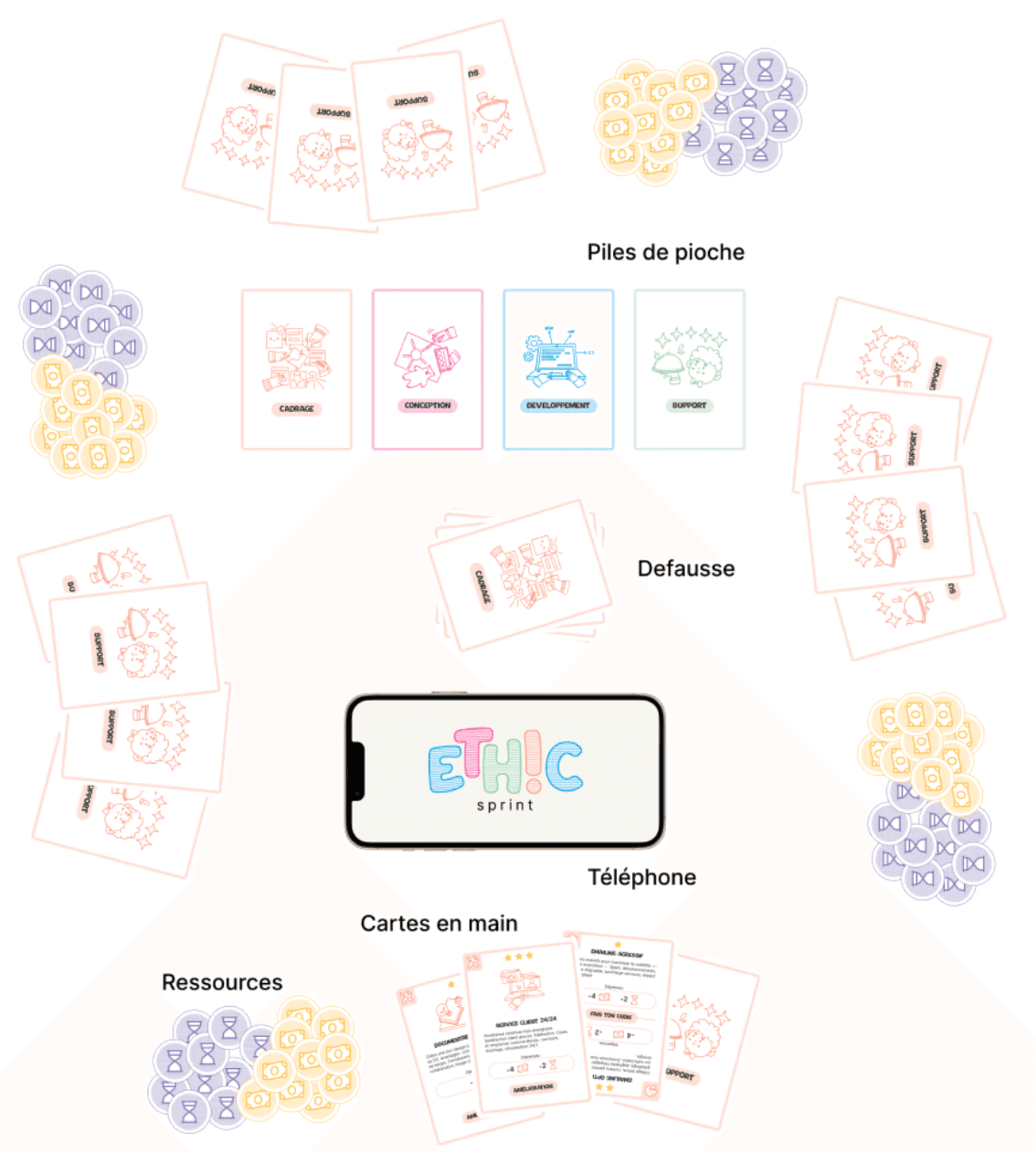
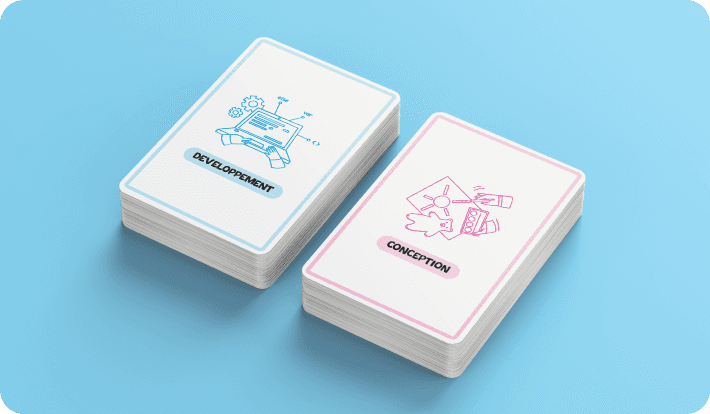
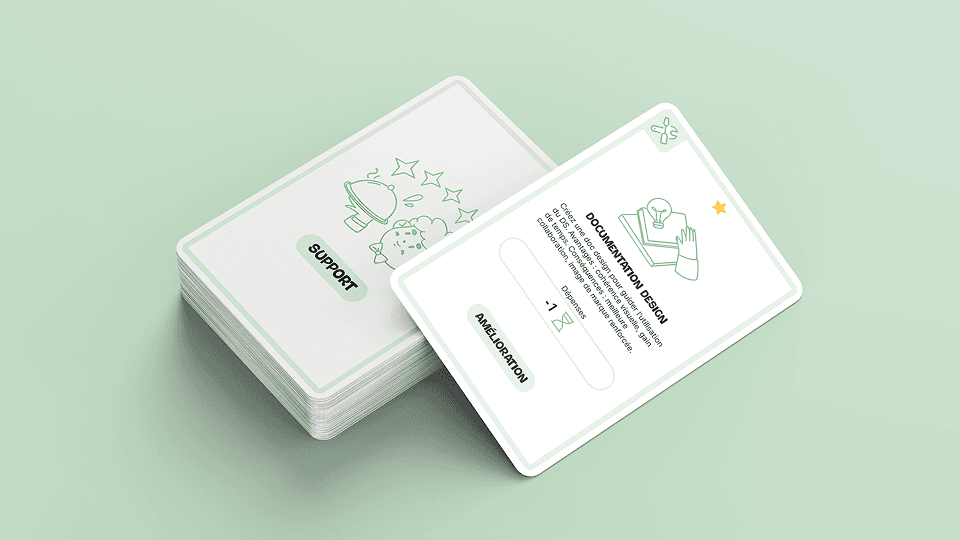
The game progresses through several phases, driven by a deck of cards divided into four categories, representing the main phases of a digital project:
👉 Framing
👉 Design
👉 Development
👉 Support
Each turn, players must make ethical decisions while efficiently managing their limited resources. These choices directly affect their ethical score and the progress of the project.
Every card must be purchased by spending Time and Money resources. These resources can be replenished in two ways for all players:
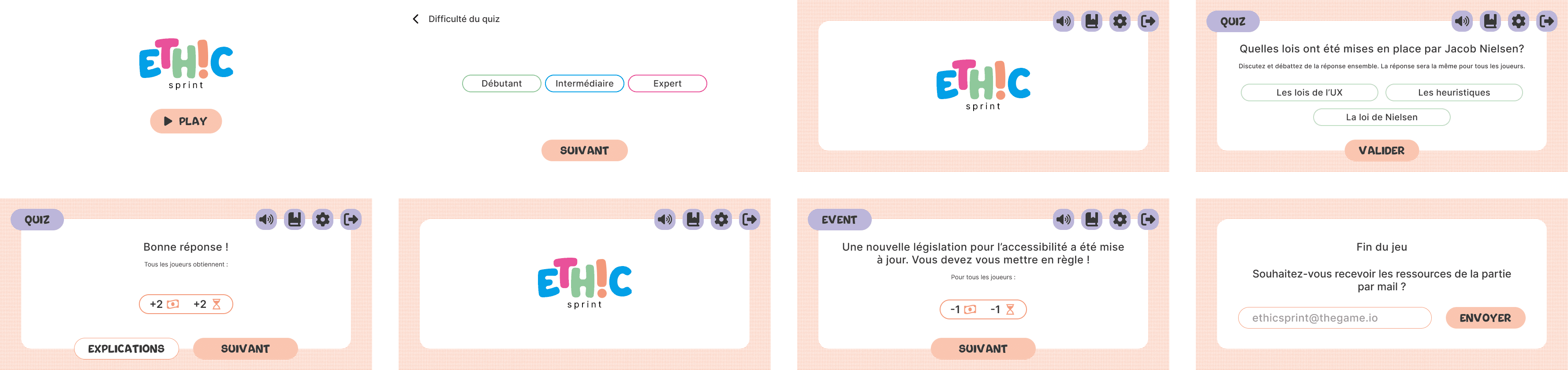
👉 The collaborative quiz, where all players debate to find the answer to a question.
👉 Events that impact all players. Be careful, as they can either grant or take away resources.
These activities are available via a QR code, so a phone is needed to fully access and play the game.
Key Features:
👉 Project management simulation
👉 Ethical decision-making mechanics
👉 Strategic resource management
👉 Playful and interactive approach to learning
Educational Benefits:
👉 In-depth understanding of ethical challenges in digital design
👉 Development of project management skills
👉 Improvement in ethical decision-making
👉 Raising awareness among multidisciplinary teams about the ethical challenges of design
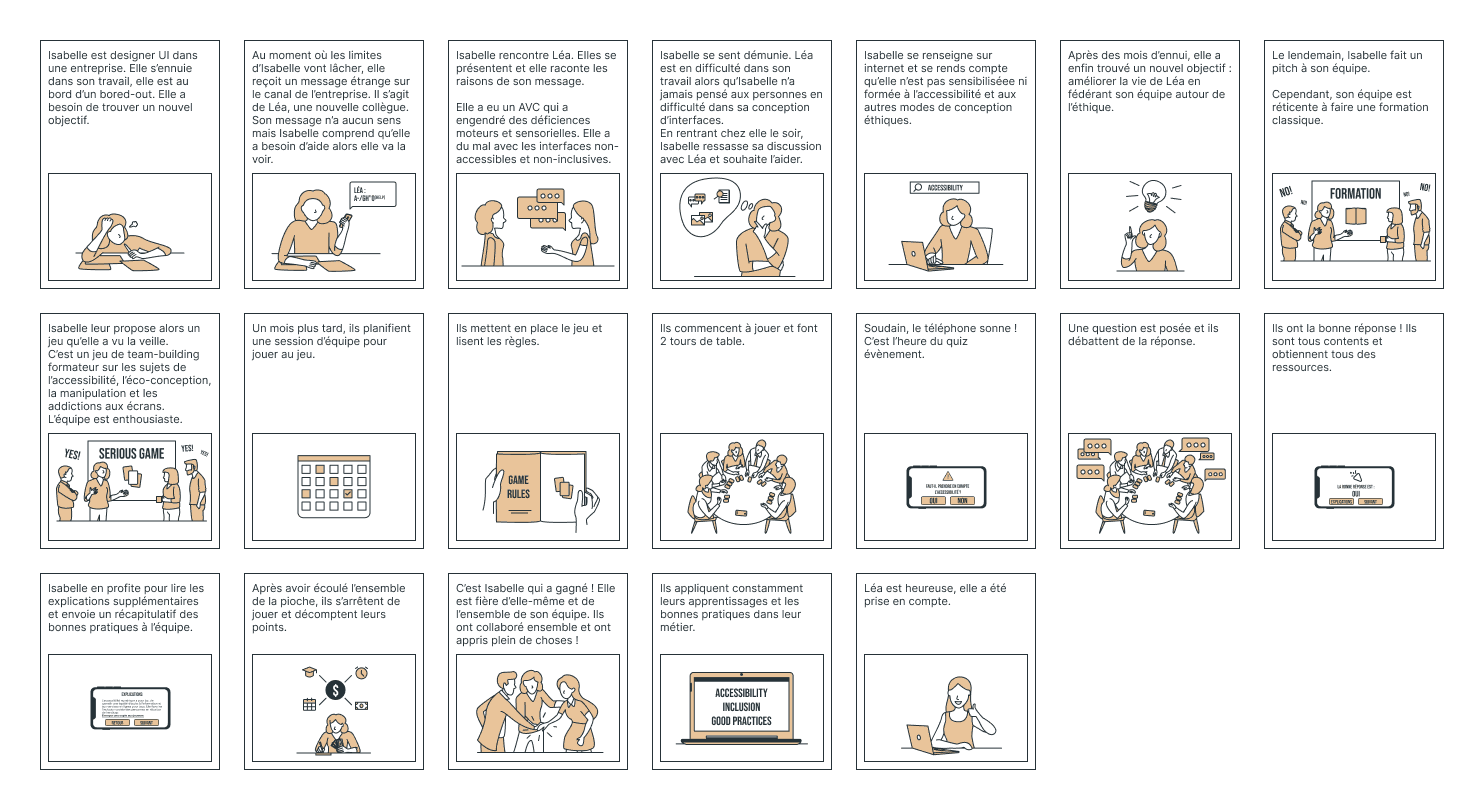
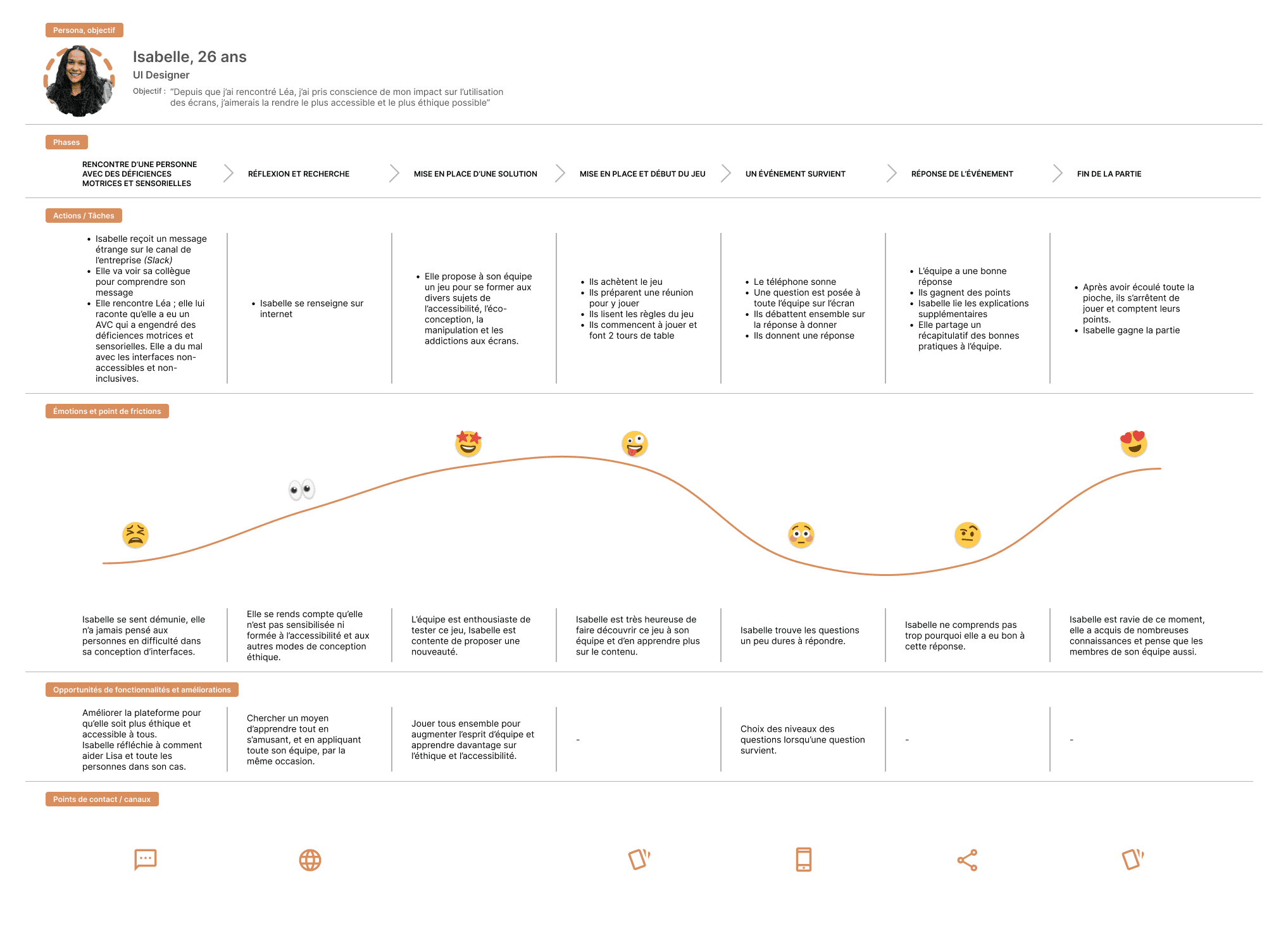
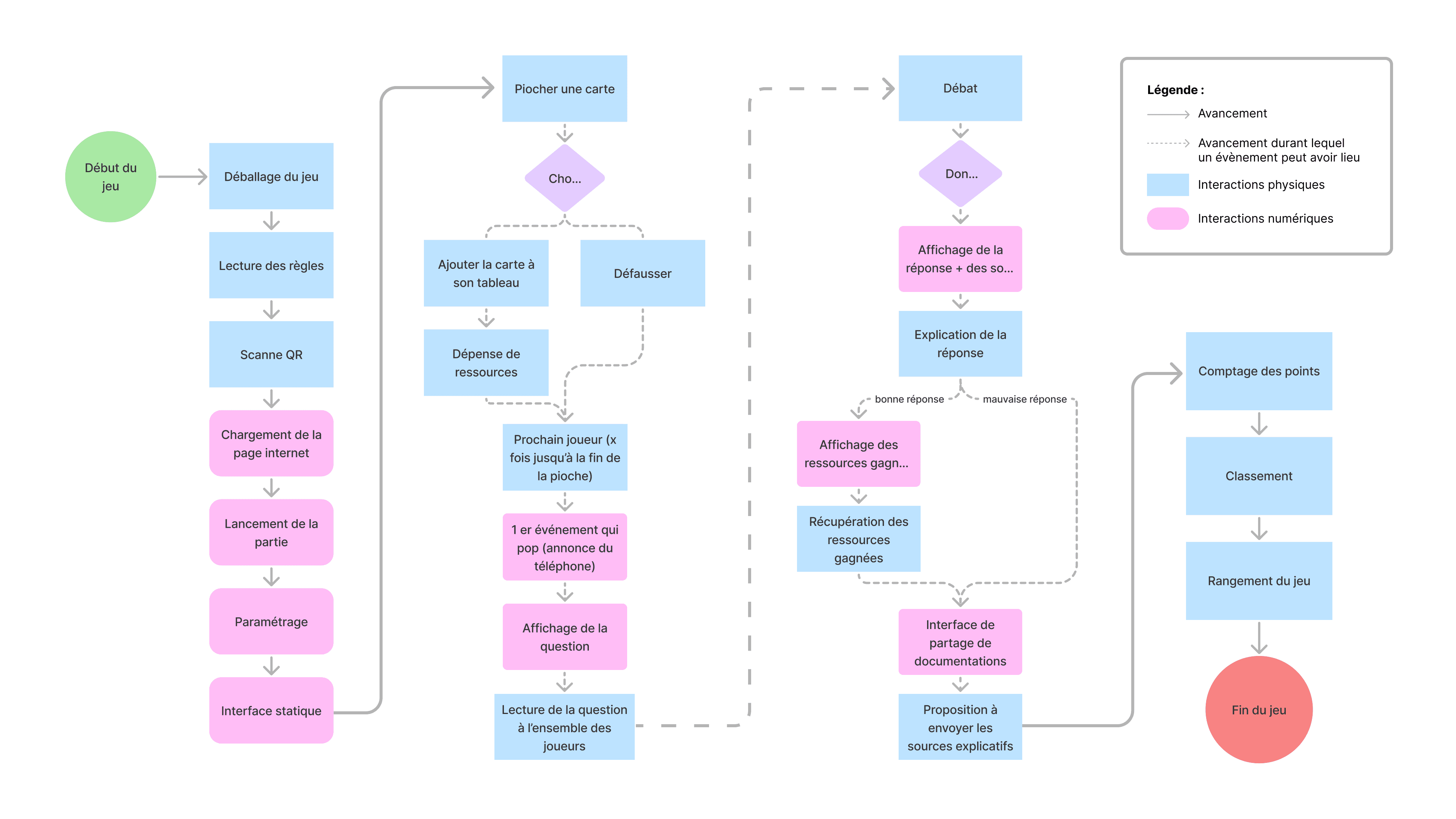
The wireframe phase structured the cards in a clear and intuitive way, identifying friction points before the visual design.
Test Protocol
👉 User Testing: Plan tests to improve game balance.
👉 Developer Extensions: Create tailored extensions for tech roles, starting with one for developers.
👉 Difficulty Adaptation: Add a feature to adjust questions based on the players’ level of expertise in ethics.
More Projects…