Back to Home Page

RE’MOOVE, l’assistant de votre rééducation

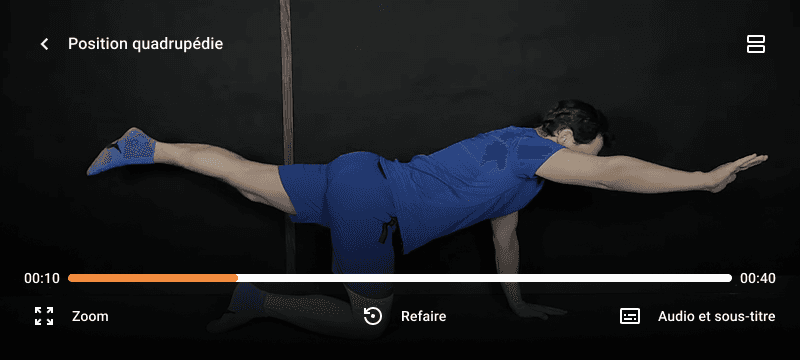
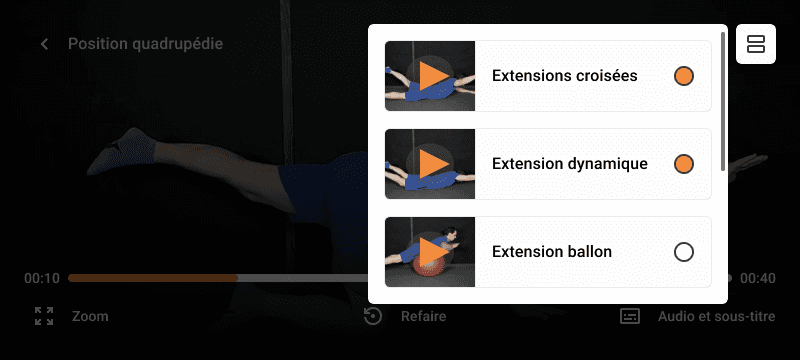
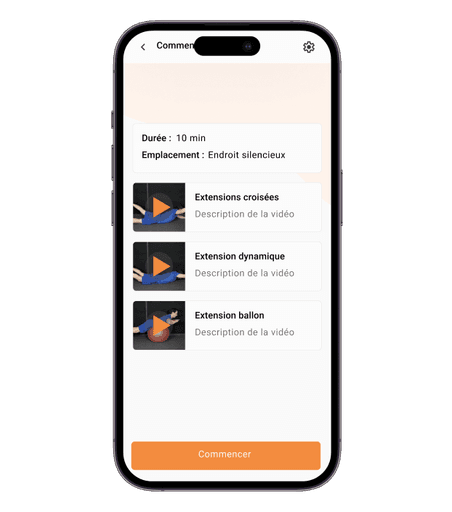
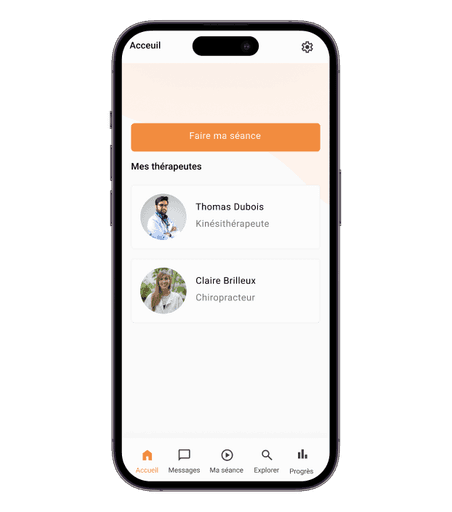
An application that enables healthcare professionals to support their patients remotely by offering personalized and interactive follow-up.
Project overview

Project overview

My role in this project was to improve the rehabilitation tracking experience for patients recovering from a temporary physical disability through a connected app. The goal was to create an intuitive tool that facilitates communication between healthcare professionals and their patients, while also reducing caregivers’ workload.

date

September – December 2023 (4 months)

tools

Figma - Figjam

Problem statement

Problem statement

❌ After the first consultation, patients often lack clear guidance to effectively follow their rehabilitation program.

❌ Healthcare professionals are overwhelmed and unable to provide regular follow-up for every patient.

❌ Low patient motivation reduces the overall effectiveness of the rehabilitation process.

Goal

Goal

👉 Design an intuitive app allowing patients to easily follow their rehab programs, while enabling professionals to monitor progress remotely.

👉 Integrate interactive tools and gamification mechanics to boost patient motivation and engagement.

EMPATHIZE

EMPATHIZE

Interviews with Healthcare Professionals and Patients

👉 Introduction (5 min.):Welcoming the participant and ensuring confidentiality.

👉 Warm-up (5–10 min.):Explaining the process and topics. Encouraging open dialogue. Letting the participant know the focus will be on their personal experience. Starting with a simple, general question to build comfort.

👉 Introduction (5 min.):Welcoming the participant and ensuring confidentiality.

👉 Warm-up (5–10 min.):Explaining the process and topics. Encouraging open dialogue. Letting the participant know the focus will be on their personal experience. Starting with a simple, general question to build comfort.

👉 Main Interview (≈80% of total duration):Asking prepared questions. Diving deeper into specific topics with follow-ups.

👉 Wrap-up (5–10 min.):Returning to broader questions. Summarizing the conversation together.

👉 Debrief/Close (3 min.):Inviting the participant to share any final thoughts or additions before ending the session.

👉 Main Interview (≈80% of total duration):Asking prepared questions. Diving deeper into specific topics with follow-ups.

👉 Wrap-up (5–10 min.):Returning to broader questions. Summarizing the conversation together.

👉 Debrief/Close (3 min.):Inviting the participant to share any final thoughts or additions before ending the session.

"I don’t always have the motivation to do my exercises. It’s hard to stay committed without seeing immediate progress."

-Estelle

"I don’t always have the motivation to do my exercises. It’s hard to stay committed without seeing immediate progress."

-Estelle

"I don’t always have the motivation to do my exercises. It’s hard to stay committed without seeing immediate progress."

-Estelle

Solution

Solution

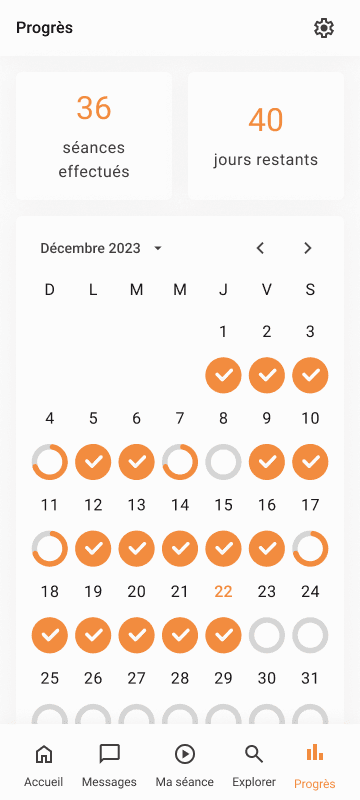
👉 The app offers a personalized space where patients can access their exercises and track their progress through interactive graphs.

👉 Healthcare professionals can adjust protocols remotely, reducing the number of unnecessary in-person consultations.

👉 Gamification features helped increase patient engagement and adherence to their rehabilitation programs.

Define

Define

persona

persona

We developed a detailed user persona, outlining their journey, goals, habits, and challenges. This persona became a key reference throughout the project, guiding our decisions to design a relevant and tailored experience.

benchmark

benchmark

This stage allowed us to identify best practices, weak points, and opportunities for improvement.

We benchmarked several similar products and services, focusing on usability, features, user experience, and design.

Information Architecture
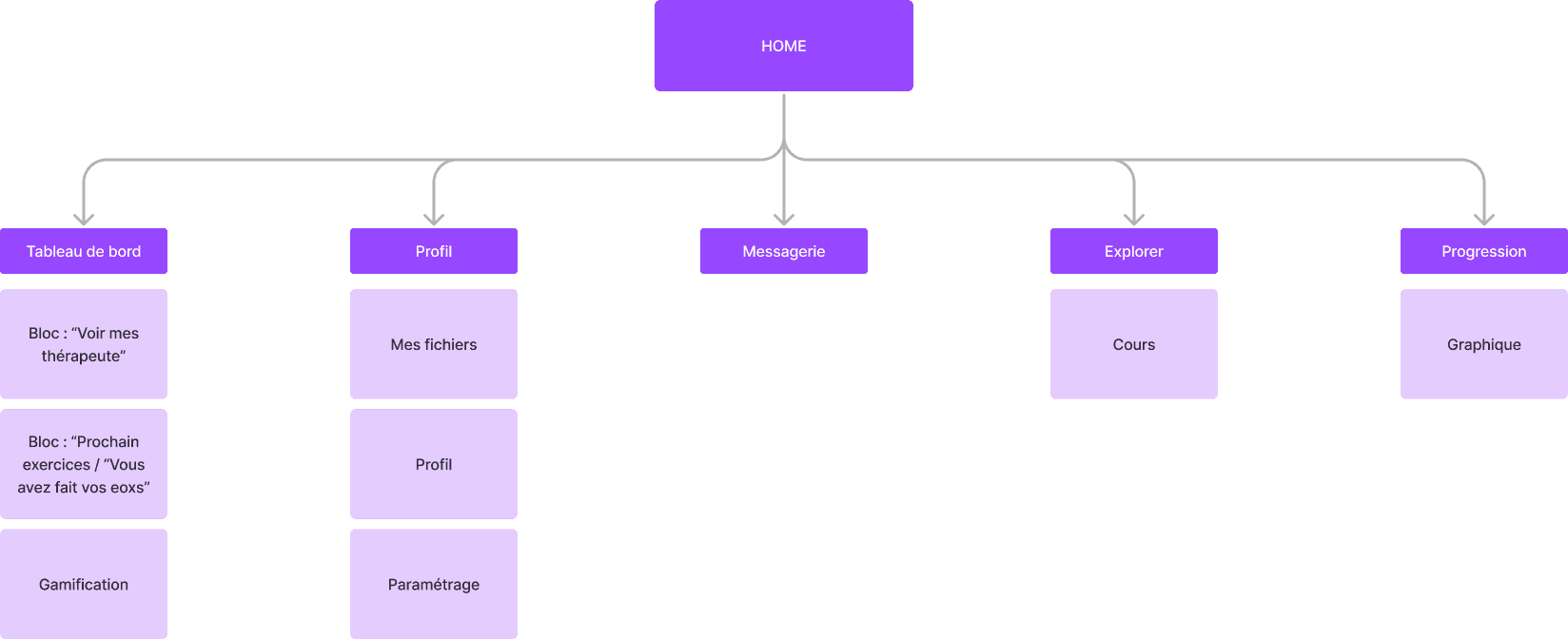
Remote workshop

Remote workshop

How can a healthcare professional support their patient when needed and be confident about it?

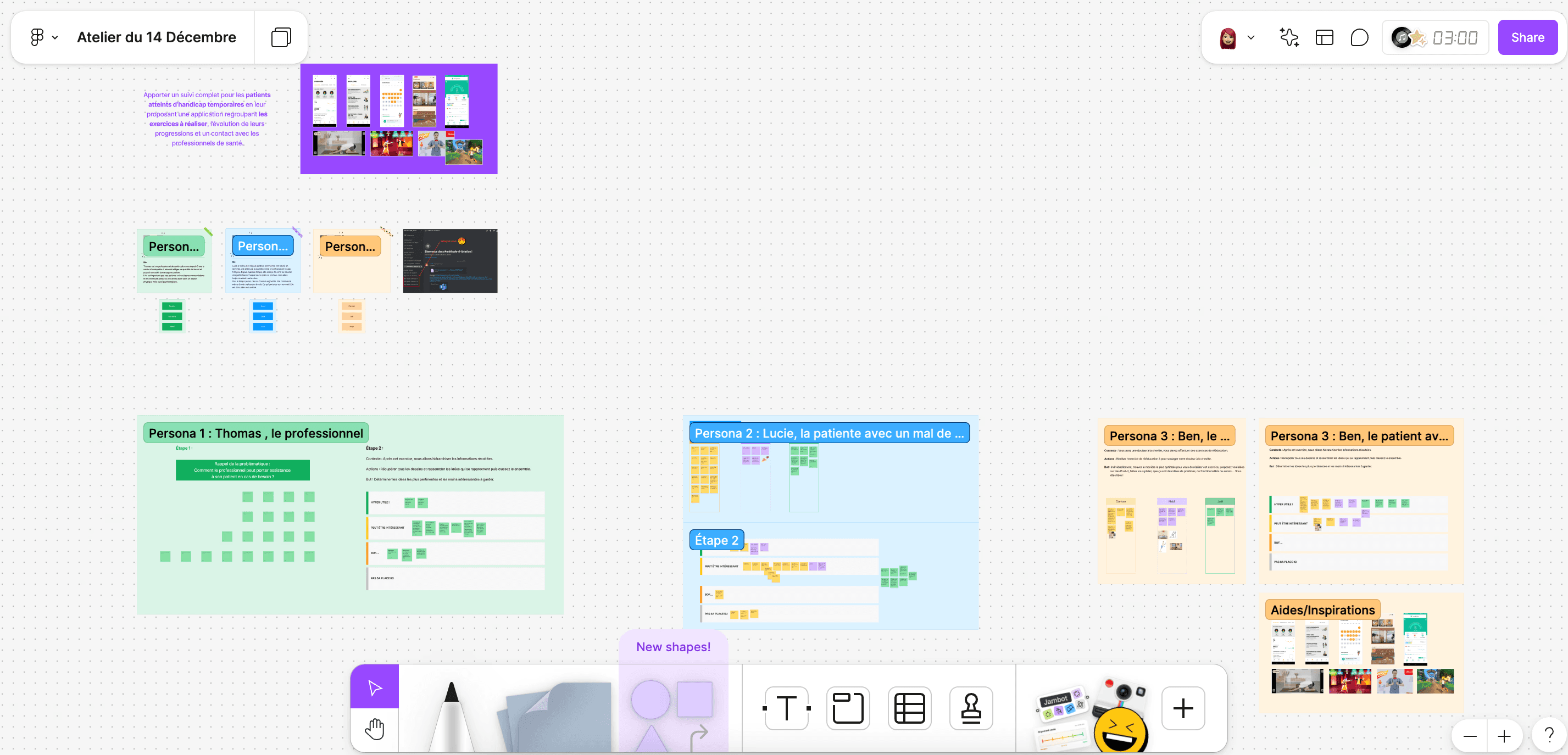
To explore this question, we organized a remote workshop with a group of 12 participants.

We began by presenting the project and the different personas, then split the participants into breakout rooms on Discord. Each member of our team joined one of the three groups to guide discussions and answer any questions.

The 40-minute workshop was structured in two main phases:

👉 Idea generation: Participants were invited to freely suggest ideas using virtual Post-its — whether they were

How can a healthcare professional support their patient when needed and be confident about it?

To explore this question, we organized a remote workshop with a group of 12 participants.

We began by presenting the project and the different personas, then split the participants into breakout rooms on Discord. Each member of our team joined one of the three groups to guide discussions and answer any questions.

The 40-minute workshop was structured in two main phases:

👉 Idea generation: Participants were invited to freely suggest ideas using virtual Post-its — whether they were about features or other aspects, based on a given context.

  • Example of a context: You’re feeling pain in your ankle and need to do rehabilitation exercises.

  • Expected action: Perform the exercise to relieve the pain.

👉 Information prioritization: After collecting all the ideas, participants organized them into a table to structure their thinking and identify key elements.

How can a healthcare professional support their patient when needed and be confident about it?

To explore this question, we organized a remote workshop with a group of 12 participants.

We began by presenting the project and the different personas, then split the participants into breakout rooms on Discord. Each member of our team joined one of the three groups to guide discussions and answer any questions.

The 40-minute workshop was structured in two main phases:

👉 Idea generation: Participants were invited to freely suggest ideas using virtual Post-its — whether they were

about features or other aspects, based on a given context.

  • Example of a context: You’re feeling pain in your ankle and need to do rehabilitation exercises.

  • Expected action: Perform the exercise to relieve the pain.

👉 Information prioritization: After collecting all the ideas, participants organized them into a table to structure their thinking and identify key elements.

Ideate

Ideate

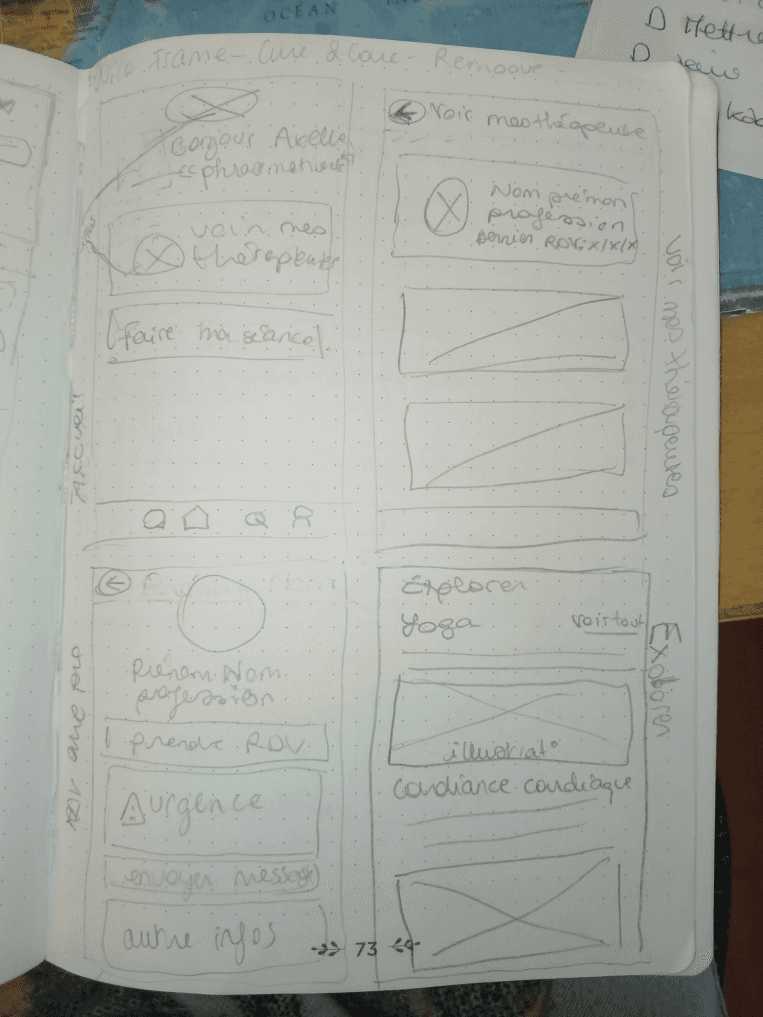
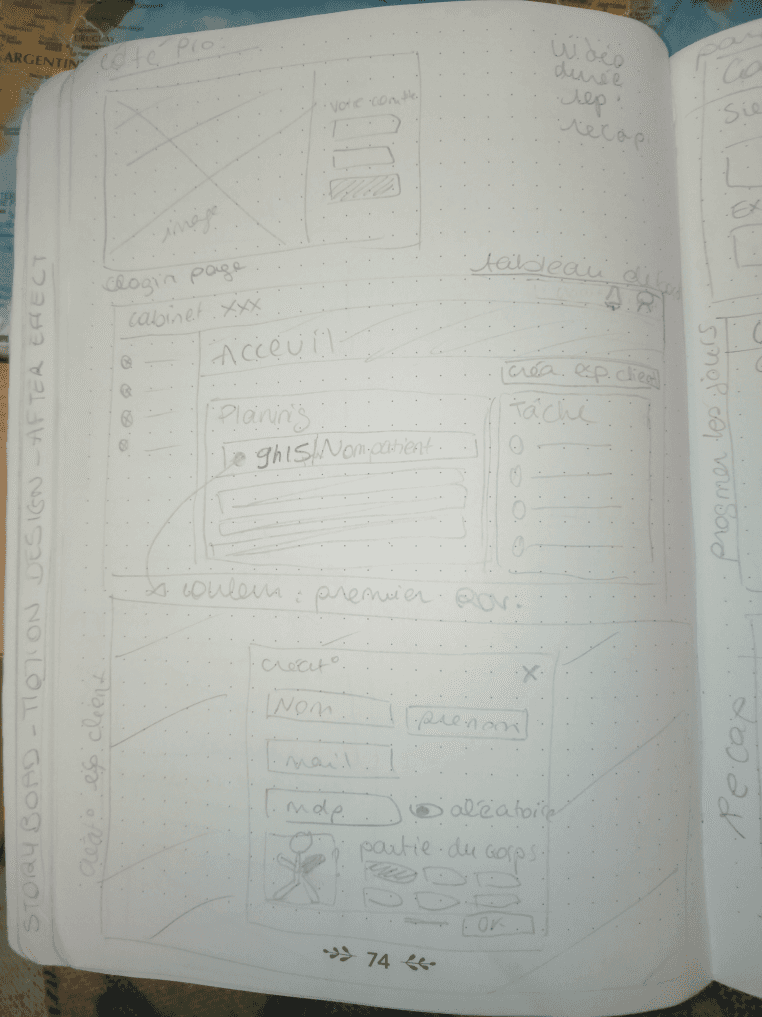
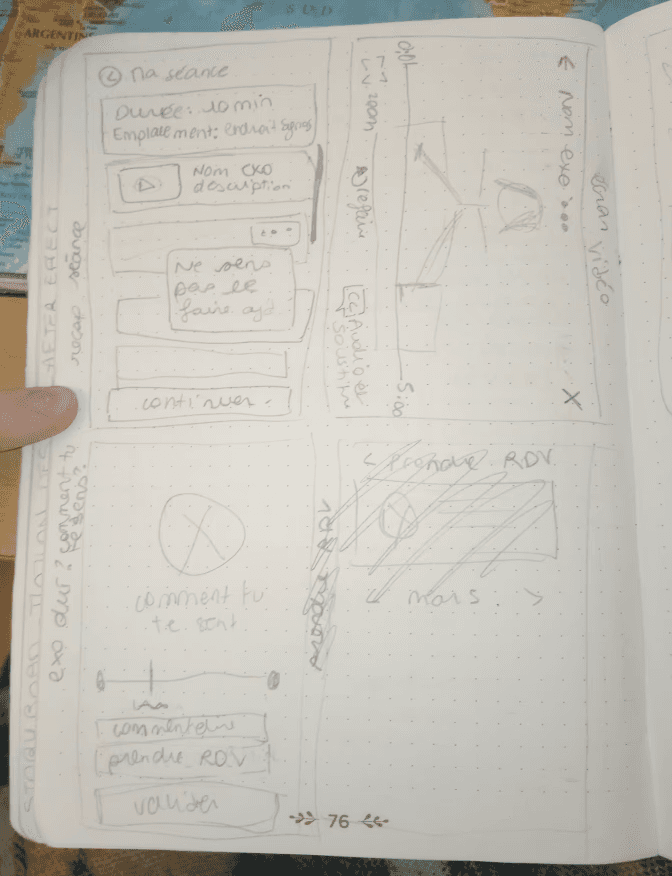
sketching

sketching

"Once the initial consultation is over, I no longer really know how to follow the exercises at home."

-Nathan

"Once the initial consultation is over, I no longer really know how to follow the exercises at home."

-Nathan

"Once the initial consultation is over, I no longer really know how to follow the exercises at home."

-Nathan

Design

Design

Visual Identity

Visual Identity

To create a coherent and impactful visual identity, we developed a style guide that reflects the values and goals of our project. We selected a harmonious color palette, appropriate typography, and graphic elements that enhance the user experience. Every visual choice was made to ensure a modern, accessible, and engaging aesthetic.

This visual identity allowed us to maintain consistency across all platforms, while making the product easier for users to understand and adopt.

Mockup Design

Mockup Design

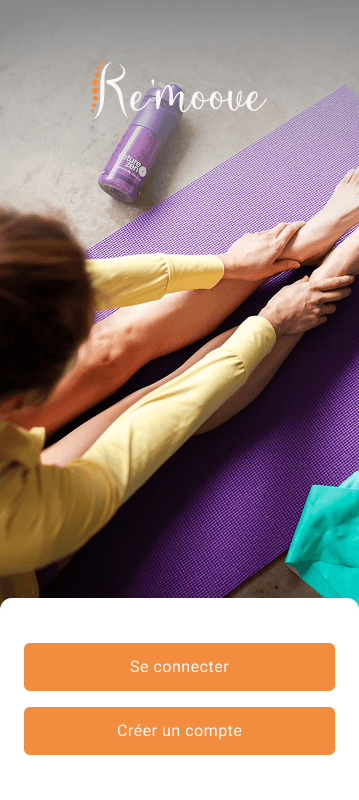
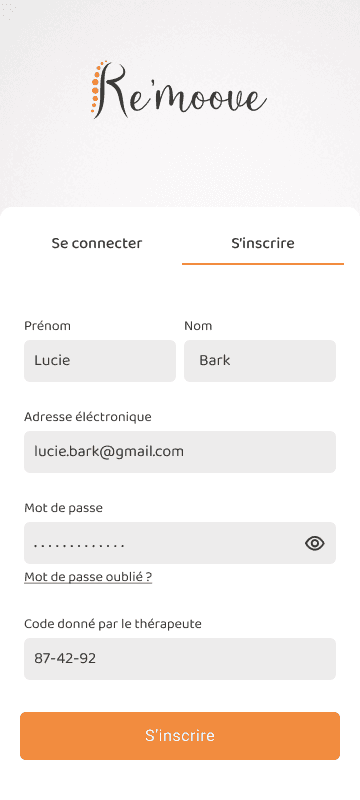
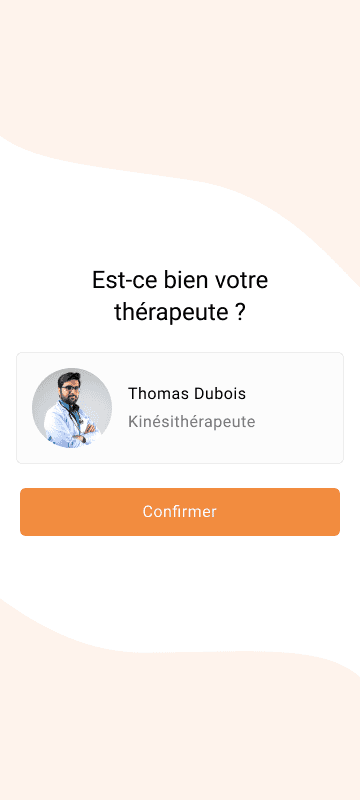
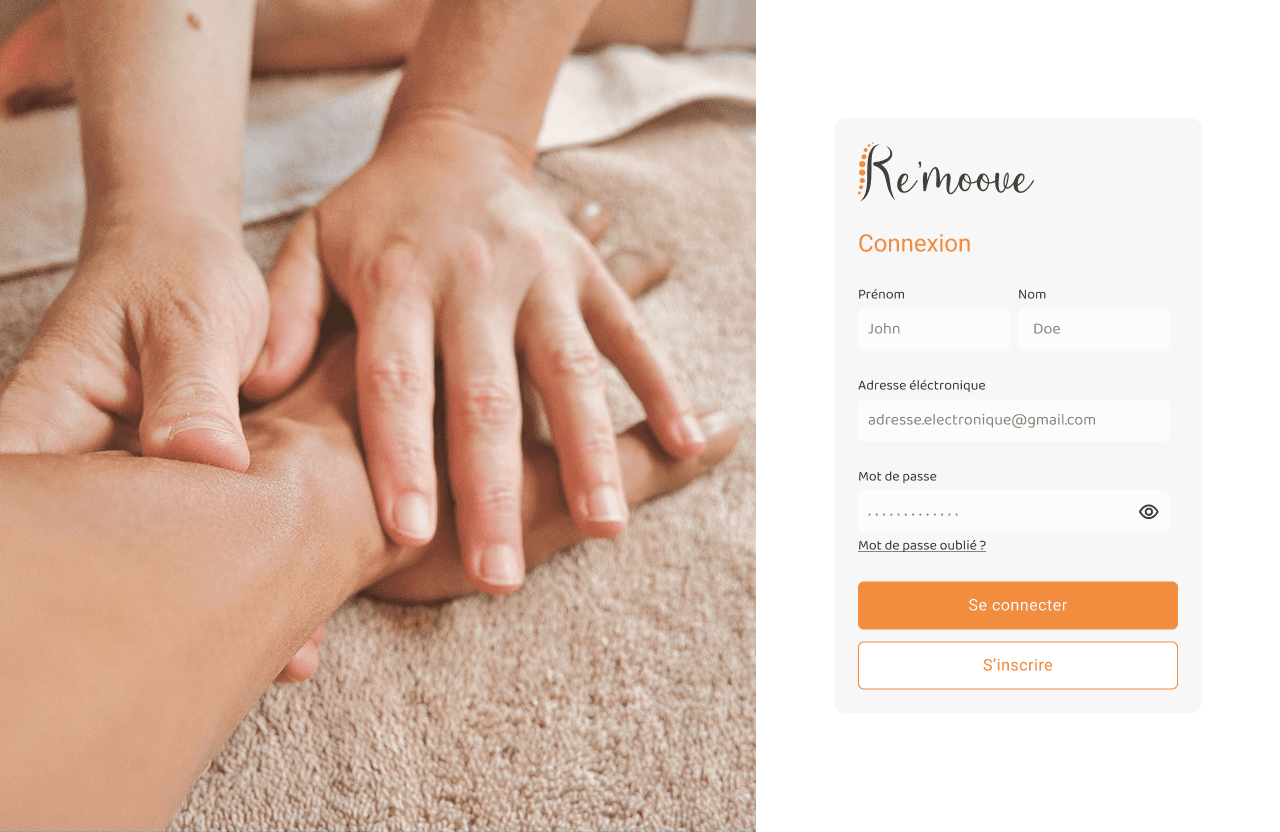
Login and Onboarding:

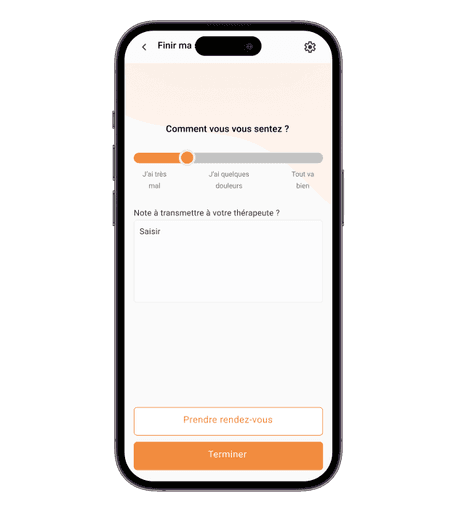
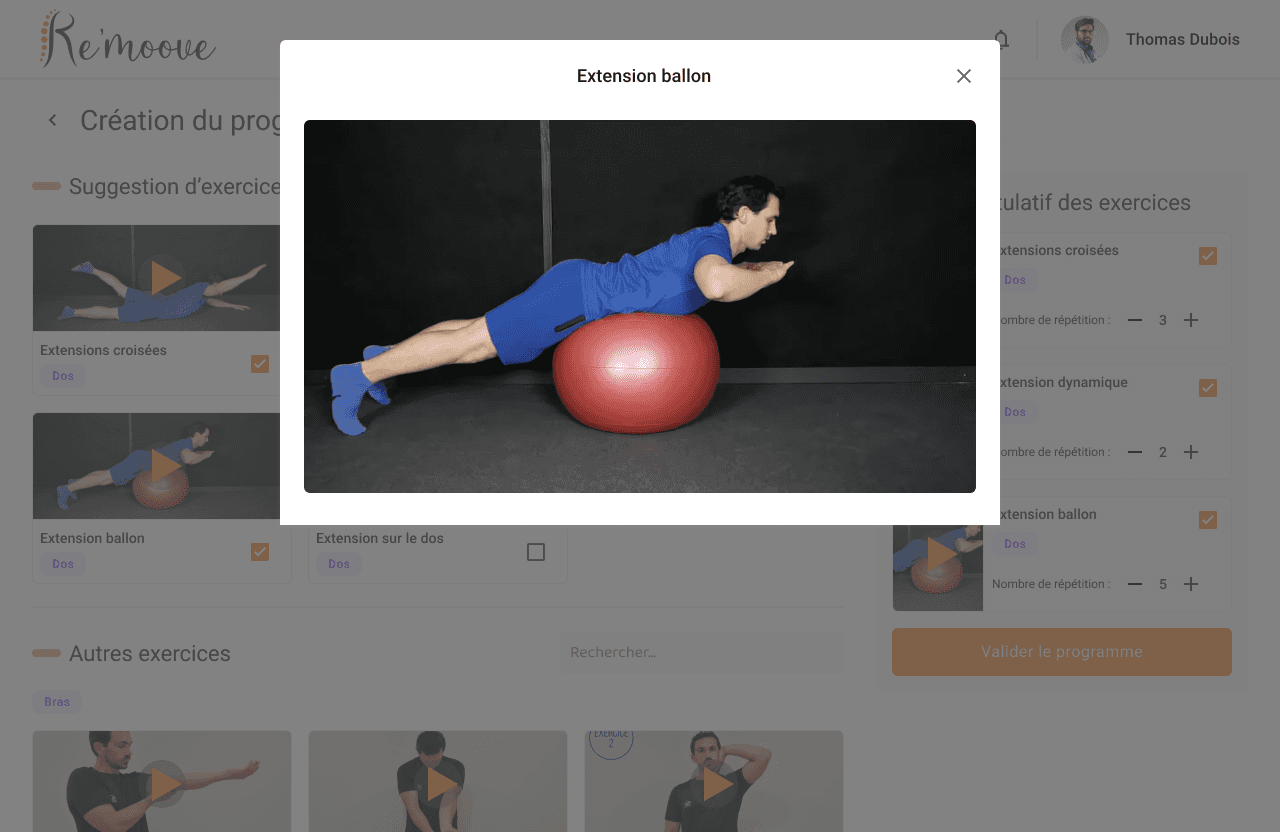
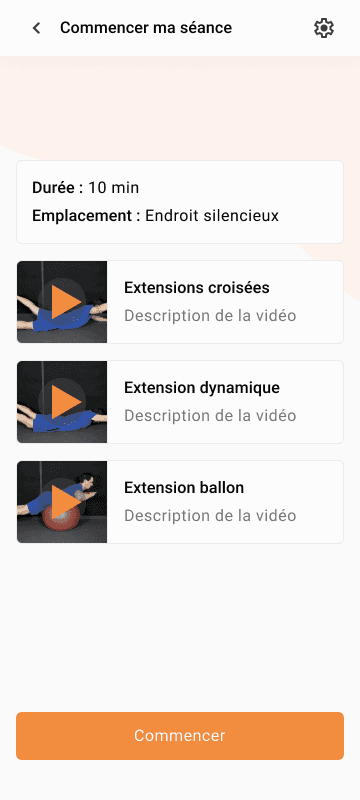
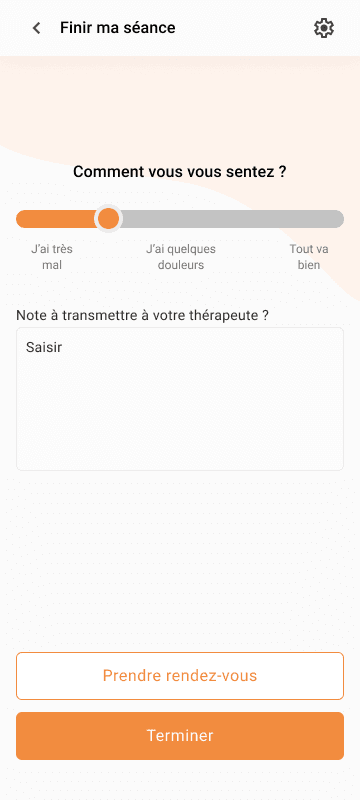
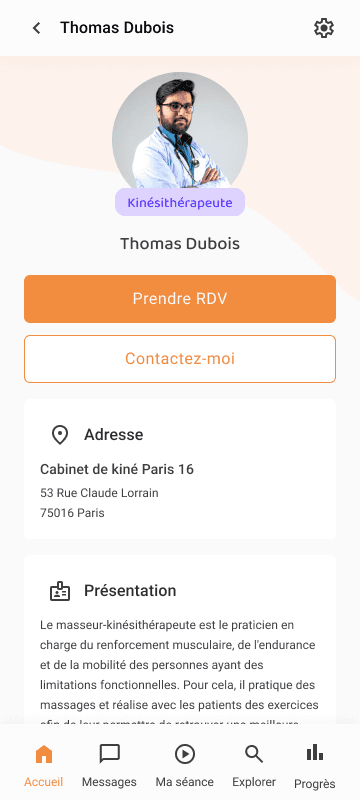
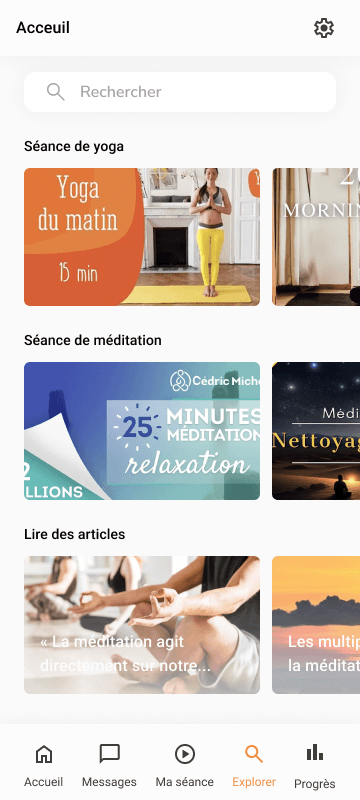
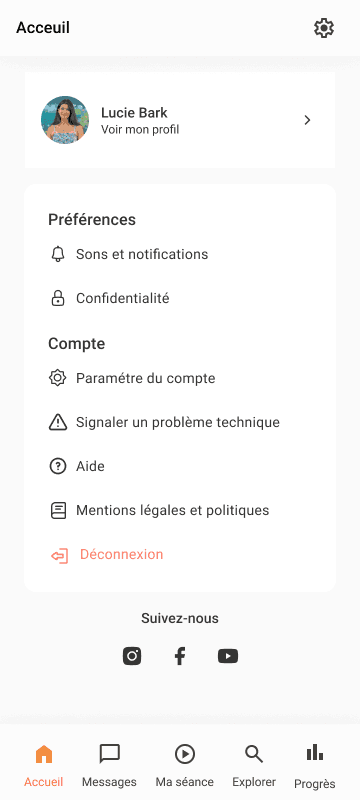
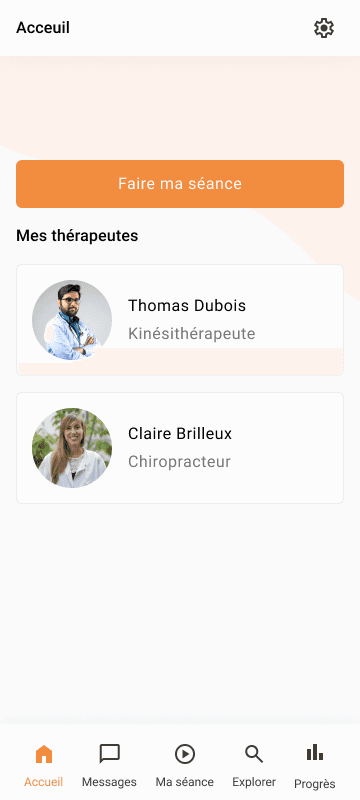
Lucie’s Journey – the Patient:
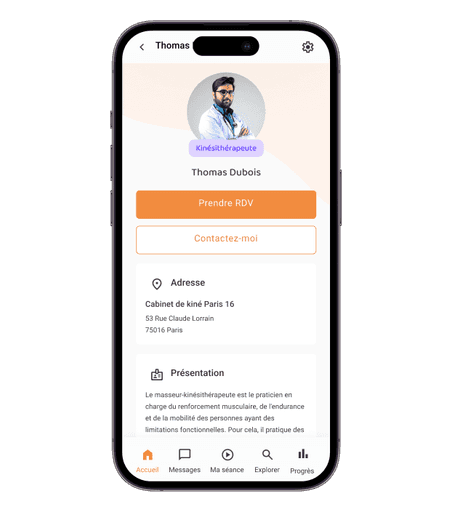
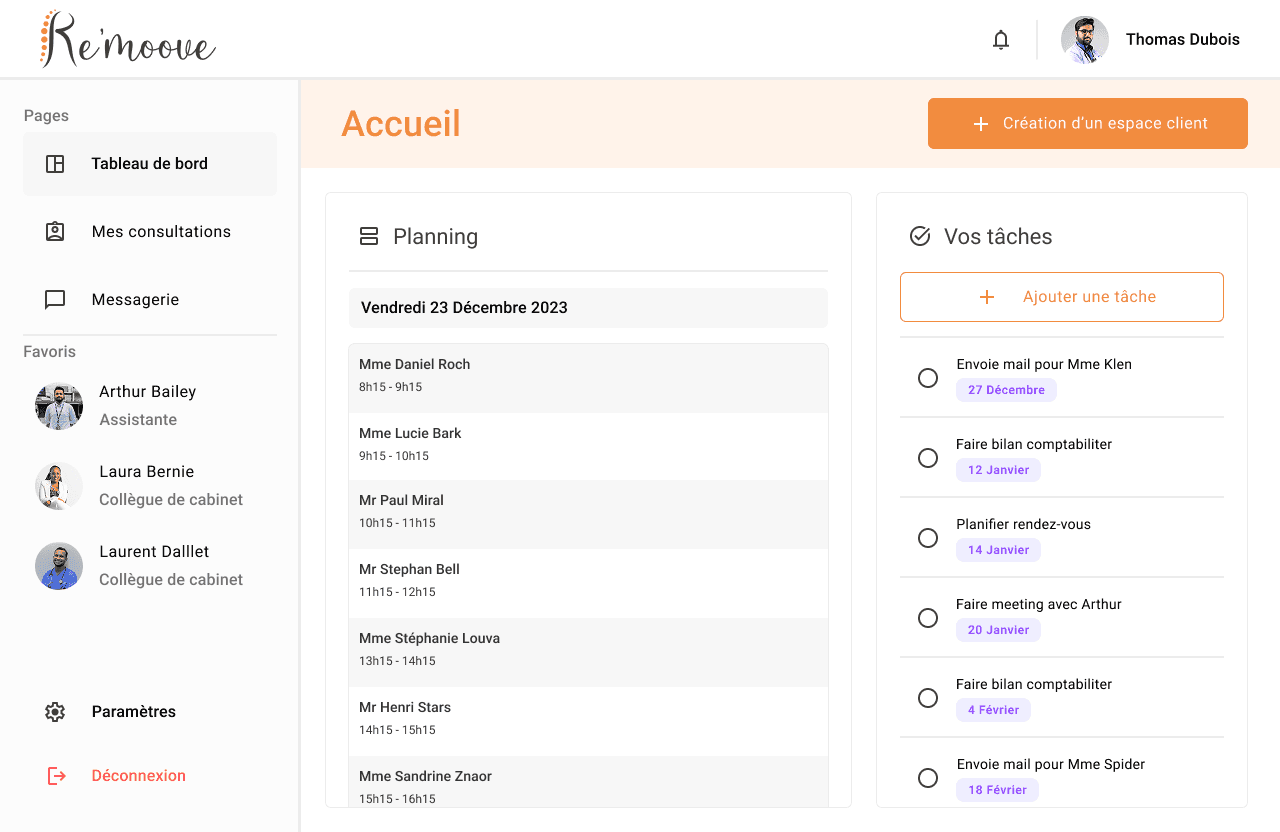
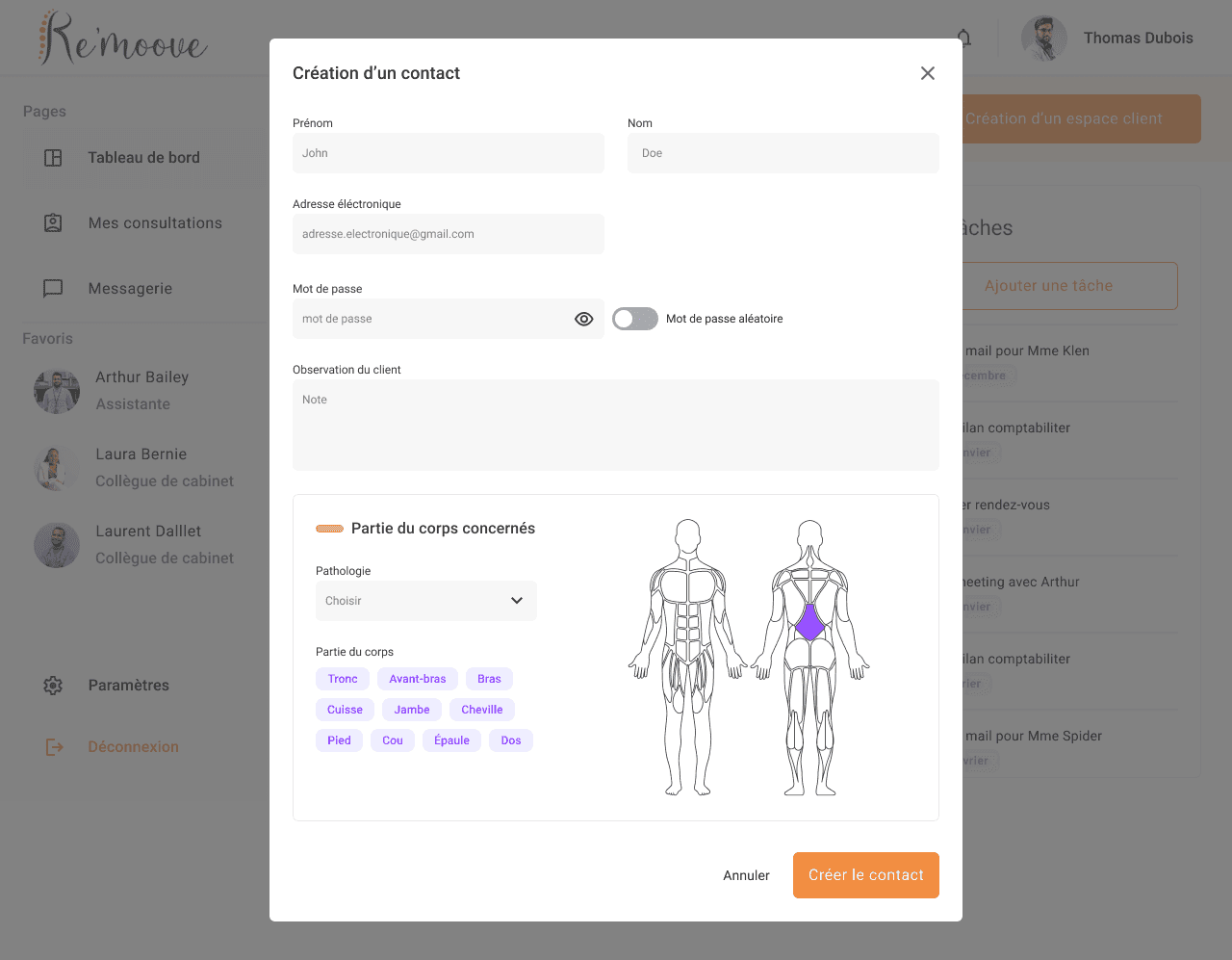
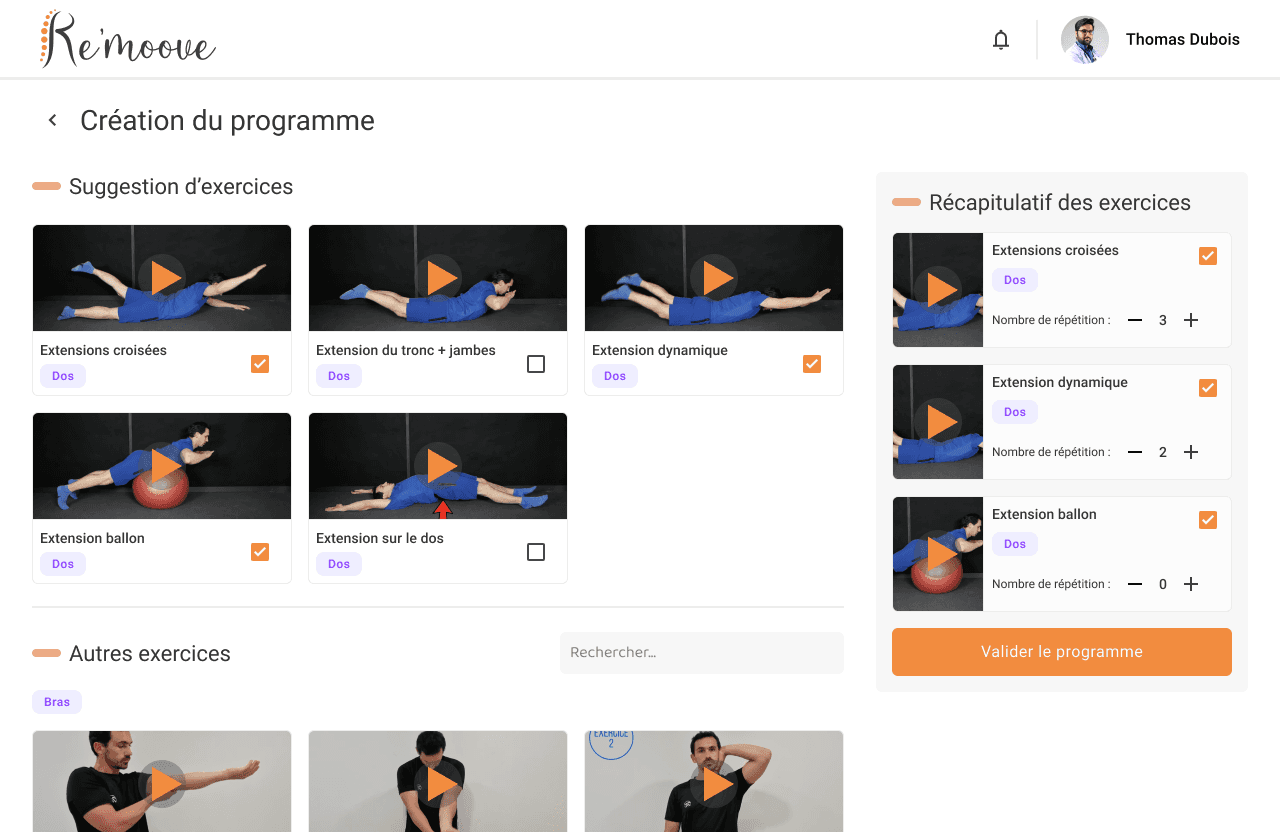
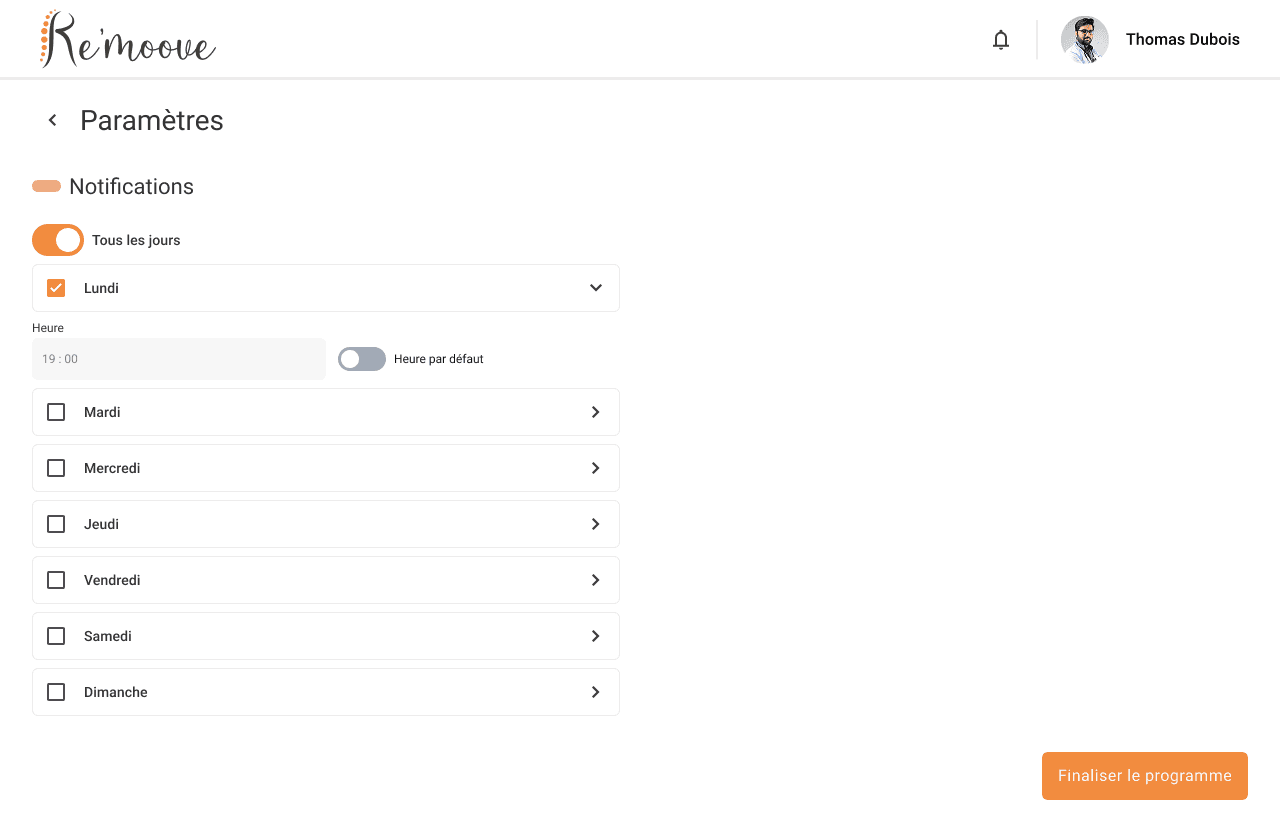
Healthcare Professional’s Journey:
Want to get in touch ?

It would be a pleasure to connect with you.

Contact me

Want to get in touch ?

It would be a pleasure to connect with you.

Contact me

Want to get in touch ?

It would be a pleasure to connect with you.

Contact me

© Copyright Axelle Bally, 2025

All rights reserved.

© Copyright Axelle Bally, 2025

All rights reserved.

© Copyright Axelle Bally, 2025

All rights reserved.